
Considering the many contentious issues inflaming voters, it should come as no surprise that a late-January Fox News survey revealed that 75% of voters are motivated to vote in the 2026 midterms: 56% “extremely” and 20% “very.” By comparison, 54% of voters were extremely motivated to vote in the 2022 midterms. Adding to the heat voters will bring to the ballot box are President Trump’s volatile and erratic nature, bold-faced falsehoods and how much administration officials have disregarded the Constitution.
Given this political environment, reporting on the midterms is likely to be an unprecedented challenge for news organizations of all sizes and types. Journalists, editors, visual storytellers and production teams will have many opportunities to demonstrate their professionalism and skills to counter the expected flood of disinformation, lies and AI manipulation.
Reporting on the midterms — and the equally important primaries — begins by understanding the current playing field. Historically, the President’s party almost always lost midterm elections, especially in the U.S. House, which has been the case in 90% of midterms since 1946. A January 2026 article from The Cook Political Report indicated 18 House contests were shifting toward Democrats. Although this bodes well for Democrats, twists, turns and political drama are inevitable before next November.
The battle for the U.S. Senate is predicted to be more difficult for Democrats. The Center for Politics reports only three races are toss-ups as of Jan. 29, 2026. Democrats would have to retain their 13 seats and win four other races, a highly unlikely occurrence.
Reporter be nimble, reporter be quick


Few news organizations have covered as many U.S. elections as The Associated Press. Anna Johnson, the Washington bureau chief, oversees all the AP’s politics, elections and democracy coverage. Most of her large team is based in Washington, D.C., but others are positioned across the country to report on major elections, voter trends and issues. Such broad coverage and journalistic responsibility require plenty of preparation and planning, but Johnson and her team know there are always surprises during any election, so they remain nimble.
“I love the primaries because every Tuesday, we have multiple opportunities to iterate on our coverage and what is working and not working. We want to remain flexible, so we’re responsive to our customers’ needs and are as ready as possible for Election Day. We’ll continue to show how we do our reporting and provide more real-time updates about high-interest races and how vote counts reflect the actual trends,” Johnson said.

POLITICO is a well-respected news organization, both for its political coverage and The POLITICO Poll. For Jonathan Lai, editorial director of politics and polling, the plan to cover the 2026 midterms is constantly evolving because the political landscape is constantly evolving. New reporters have been added to The New York Playbook, and the California team has rapidly expanded, now with a dedicated reporter covering Hollywood and its influence.
“The politics team has made plans for reporting on the midterms, but the entire newsroom has evolved in such a responsive way that our 2026 coverage will be different than past midterms. It’s important that we understand we won’t be the only place our readers go for information, but we do want to be the comprehensive authority with the most sophisticated and unique coverage. We also are confident our readers will be smarter because of the depth of our reporting and analysis,” Lai said.
CalMatters, a nonpartisan and nonprofit California news organization, is the only newsroom solely dedicated to covering one of the largest states and serving its approximately 40 million residents. CalMatters’ election reporting focuses primarily on statewide elections and issues, as well as high-profile congressional and legislative races. Juliet Williams is the politics editor.
“We will do some of our news presentations differently this year. Previously, we conducted interviews with various statewide candidates, which were recorded and added to our website. I don’t think that has the same kind of utility if all news outlets are doing the same. We’ll be moving toward videos or slide decks to present that information. We will continue to produce our online voter guides and printed materials for libraries and community centers,” Williams said.
Allocating the team for maximum coverage
Executing a well-developed, but flexible plan for covering the midterms is the actual test of any newsroom. Strategically and efficiently allocating personnel and assets is critical to delivering election news accurately and quickly. The editors who succeed at deploying the troops understand what Lai brings to his role at POLITICO.
“It’s important to me to have a level of humility in working with editors and reporters. They’re knowledgeable, talented and know what they’re doing. I also want to have enough empathy to understand their differences. Being an editor is a very human endeavor. I always want to think about how I’m coaching and working with people, not giving orders,” Lai said.
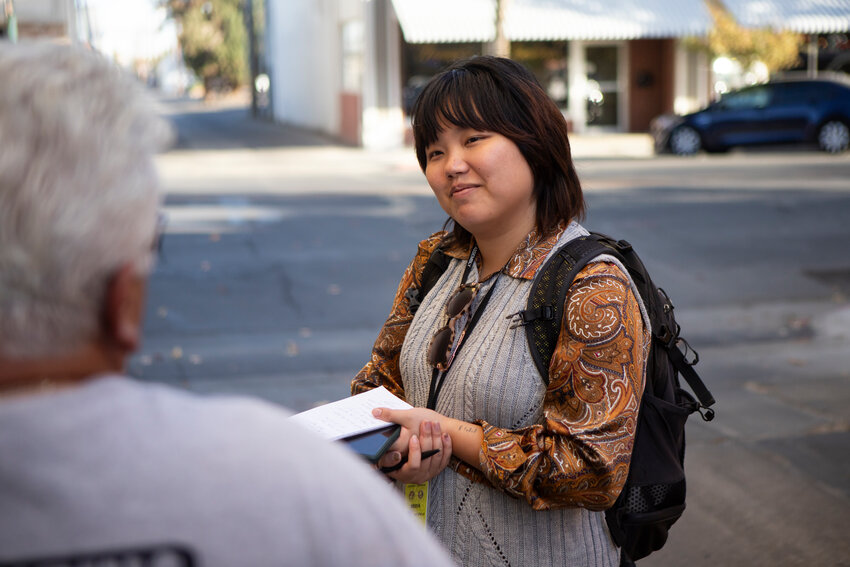
At CalMatters, Williams’ five political reporters have assignments for the midterms that will require all their attention. Jeannie Kuang is covering the governor’s race, and Maya C. Miller is covering congressional races. Williams won’t hesitate, however, to turn to CalMatters’ dozens of other reporters with specific expertise to cover any ballot issues, such as economics, healthcare and education. Of particular interest is how the voting patterns from the 2024 presidential election may change for the midterms.
“I tell my staff not only to notice what each candidate is doing to attract potential swing voters but also look for trends and the big picture. We want to tell the story beyond a specific candidate or race. It’s also important to tell the stories in more conservative parts of the state since there is such an overwhelming perception of California as a blue state,” Williams said.

Because of California’s new redistricting plan, she and her team have closely watched the newly formed districts. They want to understand and report on how some candidates are choosing to run in a neighboring district where they think the voter profile is more favorable.
The potential for physical and online harassment, arrests and even attacks on journalists covering this year’s midterm is a high priority at The Associated Press, according to Johnson. The AP’s Global Safety, Risk and Resilience team addresses these issues through training programs to protect journalists during protests or natural disasters and to help de-escalate heated situations.
“It is crucial that news organizations provide support for their personnel’s physical and online safety and their emotional well-being. We must do everything we can to help our journalists, because if they don’t feel safe, then they can’t do their jobs,” Johnson said.
Voters are also the story
Many news organizations will report on the midterms as part of their broader political coverage, while others will focus on voting and the election process. Since Votebeat launched as a permanent newsroom in 2022, it has reported almost exclusively on voting access and election administration, making it the second nonprofit news platform of Civic News Company (along with Chalkbeat and Healthbeat). Its editorial process is like that of most news outlets, but its purpose is to educate voters about how election systems work.

“How we decide to conduct our elections and the policies we use to administer them matter to voters. Our voting and election practices have become a larger part of the public conversation, but there is also plenty of disinformation. The mechanisms of voting and elections are poorly understood by the public. They submit their ballots but are generally unaware of the voter verification process, processes that secure the election or the hiring and training of poll workers. Our mission is to change that,” Carrie Levine, editor-in-chief at Votebeat, said.
Arizona is one of several states considered “purple,” with strong pockets of Republican and Democratic voters, and a higher percentage of independent voters. Arizona Luminaria is a four-year-old nonprofit news organization in Tucson. According to Becky Pallack, operations executive and co-founder, the news organization is particularly interested in independent voters’ perspectives and how they may shift their votes.

“Independents have very low participation in primaries, even when they’re eligible to vote in primaries. Understanding what independents will do after the primaries is a major question. Candidates who win primary races know where they stand with blue or red supporters. They then start to court independents, because they’re after those purple voters,” Pallack said.
Central to POLITICO’s brand reputation is the accuracy and transparency of The POLITICO Poll. During fall 2025, it announced a new polling partnership with Public First, an international research firm in the U.K. In addition to monthly U.S. polling, POLITICO will conduct quarterly polls in the U.K., Canada, France and Germany. Energy costs, climate change and trade wars are just some of the issues that citizens of these countries share with U.S. voters.
“The United States isn’t in a vacuum when it comes to politics and policymaking that cross national borders. You can’t understand Trump’s tariffs without also understanding how other countries think about those tariffs. We can’t analyze America’s changing position and the shifting global order without understanding our allies’ thinking. It’s useful to ask the same questions to people in all five countries and compare the answers,” Lai said.
The Associated Press covers voter trends with its AP Vote Count and real-time vote tallies, and AP VoteCast’s in-depth research and analysis about voters’ perspectives on issues and candidates. According to Johnson, AP’s live and location services will offer much more live coverage, giving the public a sense of being in the moment.
“A huge priority is creating more visualizations, such as maps and graphics, to tell the story of elections and their results that can be much more engaging. These tools, plus interactive presentations, can add to the public’s understanding of shifting voting patterns and watching them change on a map,” Johnson said.
Plenty to cover in grassroots elections

The U.S. Congressional races may receive most of the public’s attention and national news coverage, but voters are often just as concerned about statewide and local elections. That will be the focus of Arizona Luminaria.
“At the local level, voters are interested in improving the quality of education, repairing roads and having a stable library system, among other issues. Covering these down-ballot elections is the role of local journalism. We’ll be watching the state superintendent of schools’ race and its many candidates very closely. That is a powerful position in our state, especially since Arizona consistently ranks last or next to last on many education standards,” Pallack said.
CalMatters shares big news stories about to break with its media partners, so they don’t learn about them at the last minute and can then plan accordingly. Two coordinators exchange information and ideas with all the state’s NPR stations and many other news and media outlets. Those partners also share their current reporting, especially when there is a possible statewide impact, with CalMatters.
“What I enjoy about CalMatters is that we can localize information, too. We might be working on a big statewide story, but if we uncover county-by-county or metropolitan data analysis or new information, then we proactively contact our partners. They can then do a local story based on that new information and run our bigger story in ways that are of interest to their audiences,” Williams said.
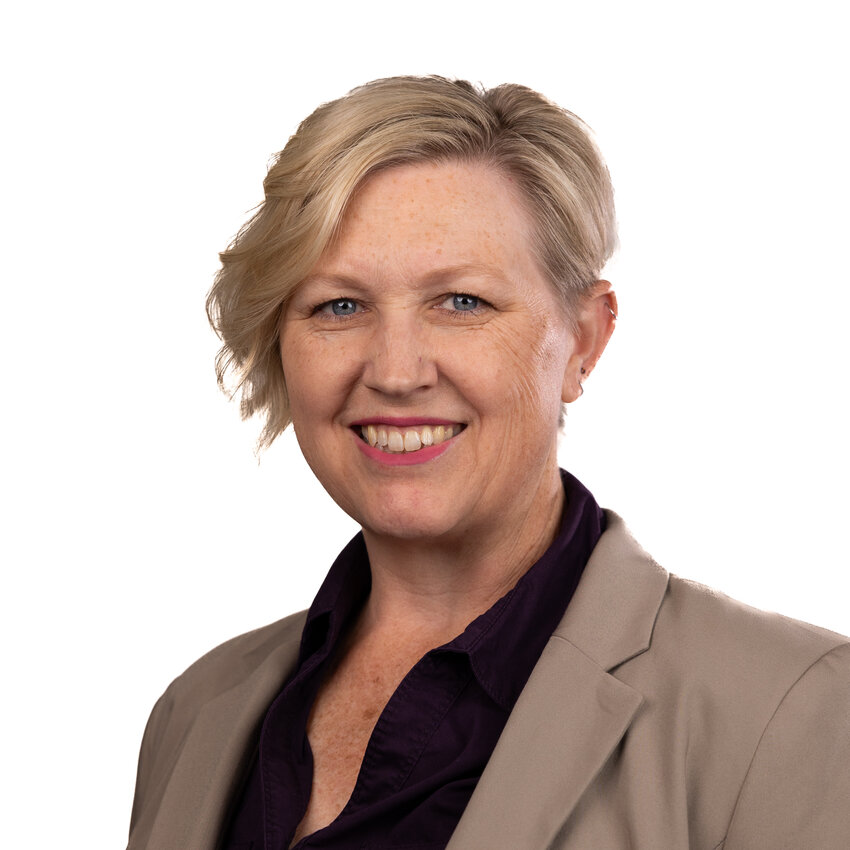

To enhance its political and election coverage, CalMatters’ College Journalism Network provides college journalists with fellowships. They report on many state issues, especially those that directly affect students, such as college affordability. Jennifer Burger is the editor, guiding fellows through the reporting process and providing them with a unique learning experience. Their articles are published on the CalMatters main website and are available to its partners for republication.

“Our fellows are very interested in elevating student voices, particularly regarding leadership, participation in policy making, political engagement and voting. They are passionate about informing California readers about equity gaps and basic needs such as food, housing and student health — all issues that state lawmakers have the power to address through the budget and effective legislation. We also encourage students to take on political reporting through the lens of the higher education beat,” Burger said.
In addition to its global reputation for the highest-quality journalism, The Associated Press also supports local journalism through a diverse portfolio of programs and services. AP Fund for Journalism is one of the newest, launched in June 2024. Its mission is “to support public service journalism and make it accessible to state and local news organizations in the U.S.”
“We extensively collaborate with many local newsrooms, which will include coverage of the 2026 midterms. Several of our teams like working closely with them because their local reporting can enhance the value of ours. We believe it’s important to support them, provide them with resources and make sure their reporting is reaching the widest audience possible,” Johnson said.
Helpful tips for reporting on the midterms
Collectively, the news professionals contributing to this article represent a diversity of experiences covering politics and elections, and they share some advice about reporting on this year’s midterms.

Pallack at Arizona Luminaria suggests that local journalists allocate ample time to background-checking candidates: “Part of our job is to vet candidates and tell our voters who they are, where they stand, what their beliefs are and their legal and financial troubles.”
Lai’s recommendations center on the deployment of reporters. “As a general rule, we must assign reporters to the news stories that match their skill sets. Before we send them on those assignments, we must also consider the logistics that support them and allow them to produce excellent journalism.”
Levine stresses the importance for reporters who don’t often cover elections of establishing rapport with local election officials. “They are your best sources, and you should start talking with them now. They’re too busy for your inquiries during any voting period. You want to understand how they will conduct the election and who is allowed to vote. When news breaks on election day about problems at polling places or election irregularities, you’ll have the information and tools to understand it.”

Johnson encourages local reporters to spend more time talking to people and voters. “The reporters on the ground can do something that no one else can do, and it’s the kind of work that is irreplaceable. They are best positioned to ask people how issues are impacting them, their feelings about elections and their views on the election process.”
Williams’ advice is not to overlook all the stories between now and November. “The public and news organizations think of the midterms as an event in November, but there is a fount of good stories to tell ahead of that event. What are the dynamics in your community, and how can your stories be more than what candidates are saying?”
 Bob Sillick has held many senior positions and served a myriad of clients during his 47 years in marketing and advertising. He has been a freelance/contract content researcher, writer, editor and manager since 2010. He can be reached at bobsillick@gmail.com.





Comments
No comments on this item Please log in to comment by clicking here