
E&P’s “10 That Do It Right” is now called “Media That Matters.”
We had a great response to our “Media That Matters” call for nominations. We have 15 deserving winners of this salute. Our winners are from legacy media, digital media, niche publications and journalism school groups, representing small communities, medium cities, statewide journalism groups and large niches — the gamut of the news media industry. They each have their own distinct cornerstone — technology, investigations, events, newsletters, podcasts, collaborations and audience engagement techniques. Regardless of their vehicle, they always focus on connecting with their community. That community may be geographic, ethnic, religious or vocational; it doesn’t matter. Our “Media That Matters” awardees are centered on their specific community — listening, serving and telling their stories.

The Baltimore Banner
Baltimore, Maryland

Since its launch in 2022, The Baltimore Banner has been redefining what sustainable, nonprofit, community-driven journalism looks like. As the largest newsroom in Maryland with 85 full time journalists, The Banner has emerged as a vital force in Baltimore news, winning multiple journalism awards and accolades just this year — including the 2025 Pulitzer Prize for Local Reporting for its investigation into Baltimore’s drug overdose crisis.
Key members of The Baltimore Banner:
Can you share one specific story, initiative or innovation your publication produced/created that you believe best exemplifies the kind of Media That Matters?

One of the most meaningful pieces of journalism we’ve produced is our investigation into Baltimore’s fentanyl crisis. Our team spent more than two years digging into the root causes of the crisis, fighting a costly legal battle to get public records, and spending time with people and communities often overlooked. They uncovered not just the scale of the epidemic but the silence and inaction that allowed it to grow. The reporting sparked real change — from the closure of a troubled treatment center to the creation of a city office focused on overdose prevention. It’s a clear example of what local journalism can do: push for answers, demand better and stay accountable to the communities we serve.
What advice would you offer to other news organizations seeking to deepen their relevance and impact in the communities they serve?
Be willing to listen. Before we launched in Baltimore, we spent a lot of time with community leaders, business owners, elected officials and residents. Regular conversations in the community keep us connected to our readers and inspire our newsroom to better serve them. Listening sparked curiosity, and curiosity turned into reporting that reflected the community’s concerns. At the same time, we believe local journalism can and should aim big. We’ve seen that with enough persistence, care and ambition, even a startup newsroom can spark change.
Cleveland Jewish Publication Company
Cleveland, Ohio

The Cleveland Jewish Publication Company has been a fixture on E&P’s past salutes and in their community — exemplified by the 500 community members who gathered to celebrate 60 years of legacy and achievements in 2024. This news publication, rooted in a mission to inform, connect and inspire the Jewish Community of Northeast Ohio, has made great strides in fulfilling that mission in just the last year by launching products for younger readers and expanding events to broaden community appeal.
Key members of Cleveland Jewish Publication Company:
Can you share one specific story, initiative or innovation your publication produced/created that you believe best exemplifies the kind of Media That Matters?

A powerful example of our commitment to “Media That Matters” is the debut of our first podcast, “Aliza: Her Story” (cjn.org/podcast). The six-part series tells the story of Aliza Sherman, a 53-year-old IVF nurse and mother of four, who was fatally stabbed 11 times on March 24, 2013, in downtown Cleveland. Despite the shocking nature of the crime, her case remained unsolved for more than a decade. The podcast revisited the investigation, shared her family’s perspective as they continue to seek justice, and worked to renew public attention in hopes of uncovering the truth.
It illustrates local journalism’s vital role in honoring lives, demanding accountability and keeping critical stories alive even after they've left the headlines. Aliza’s daughter served as executive producer on the project with us, and we recently returned to the studio to record a new episode following the arrest and arraignment of Sherman’s former divorce attorney, who has now been charged with her murder 12 years later. We are not monetizing this series in any way.
What advice would you offer to other news organizations seeking to deepen their relevance and impact in the communities they serve?

At the Cleveland Jewish Publication Company, our impact and continued relevance come from staying true to our core mission: to inform, educate and connect the diverse Jewish communities we serve. For 60 years, as an independent, community-owned multi-media company, we’ve remained committed to delivering ethical, trustworthy journalism while embracing the many voices and experiences that make up our communities.
But as we know, serving a community today requires more than publishing a newspaper. That’s why we’ve developed a multi-faceted and diverse business model that includes not only award-winning print and digital journalism but also community and demographically targeted events, specialty publications, magazines, consulting services and more. This approach allows us to engage more deeply and respond more meaningfully to the evolving needs of our readers and partners and strengthens our financial foundation. By creating multiple revenue streams, we’re better positioned to sustain our mission-driven work and invest in the future of community journalism.
To others in the field, I’d offer this simple advice: remain consistent in your editorial values, but stay creative in how you deliver them. That’s the balance we strive for as we work to grow our impact and honor the trust our community places in us each day.
High Country Spotlight and Shopper
Paonia, Colorado

We chose High Country Spotlight and Shopper for their commitment to rebranding their 40-year-old “shopper” in 2022 and restructuring for growth and community impact with rich content for diverse community interests and a plan for sustainability. Their offerings now include a free weekly community newspaper, special sections, a tourism brochure distribution service and custom design services for local businesses. By fostering a positive workplace environment, a commitment to transparency, inclusivity and service, and a dedication to community-centered journalism, the High Country Spotlight and Shopper has become a trusted civic partner and a platform for community connection.
Key members of High Country Spotlight and Shopper:
Can you share one specific story, initiative or innovation your publication produced/created that you believe best exemplifies the kind of Media That Matters?

The transformation of HCS from a weekly classified shopper into what is now the High Country Spotlight is, in itself, the innovation. HCS is a unique anomaly; its business model is finely tuned to the community’s demographic makeup and would not necessarily thrive in a larger market with different characteristics. By inviting stories from guest writers and representatives of local organizations, the Spotlight broadens its appeal to readers while also helping the publication operate within budget constraints.
One such story, “The Story of Liz — Beyond the Night of Broken Glass,” exemplifies the kind of journalism that matters. The piece profiles Liz Lilian, a beloved local now in her 90s, who remains active in the community. Though most of our historical spotlights focus on events and figures from Delta County’s early development, Liz’s story reaches beyond local history. Her escape from Nazi Germany as a child in the late 1930s offers readers a powerful personal lens through which to view one of history’s darkest chapters. While rooted in history, the piece resonates as a human interest story — a reminder that extraordinary lives often take root in ordinary places. It honors not only Liz’s courage and survival but the values of empathy, resilience and remembrance that we aim to uphold in our coverage.

What advice would you offer to other news organizations seeking to deepen their relevance and impact in the communities they serve?
My advice to other news organizations is to truly understand the people who make up their community and strive for a balance in content that serves the whole, not just the loudest voices. Avoid sensational headlines and click-driven content. Communities are hungry for stories that unite and celebrate their members rather than divide them.
Investigative Reporting Program at UC Berkeley Journalism
Berkeley, California

The Investigative Reporting Program (IRP) at UC Berkeley Journalism exemplifies “Media That Matters” because this novel training model aims to develop the next generation of investigative reporters quickly and effectively. With 50 graduate students working on 15-20 investigative projects, IRP is catapulting students into careers as investigative journalists who are winning awards, holding those in authority to account and changing policies through their investigations.
Key members of IRP:
Can you share one specific story, initiative or innovation your publication produced/created that you believe best exemplifies the kind of Media That Matters?

The “Right to Remain Secret” series, published in 2024 with the San Francisco Chronicle, is a shining example of exceptional journalism that can be produced when emerging journalists receive intensive editing, mentorship and financial support. Katey Rusch and Casey Smith produced the series, then graduate students working with the IRP, with editorial guidance from IRP’s director, David Barstow. Rusch was researching police departments that had hired officers who’d been fired for misconduct from previous jobs. And yet, these officers claimed they hadn’t been fired and told Rusch to check her sources. Undaunted, Rusch and Smith did just that. Smith suggested that the team file public records requests for settlement agreements between the officers and police departments.
After five years of dogged reporting, plus continued editorial and financial support from the IRP, “Right to Remain Secret” was published — the first work of journalism to expose California’s “clean-records” agreements that obscure police misconduct. In addition to winning several awards — including a Polk Award, Selden Ring and being named a finalist for the Pulitzer Prize — the series has prompted state legislative action.
What advice would you offer to other news organizations seeking to deepen their relevance and impact in the communities they serve?
Think about the next generation and how everyone can benefit when you give them real opportunities to tackle ambitious projects — and then back up those opportunities with meaningful mentorship and support.
La Raza Chicago
Chicago
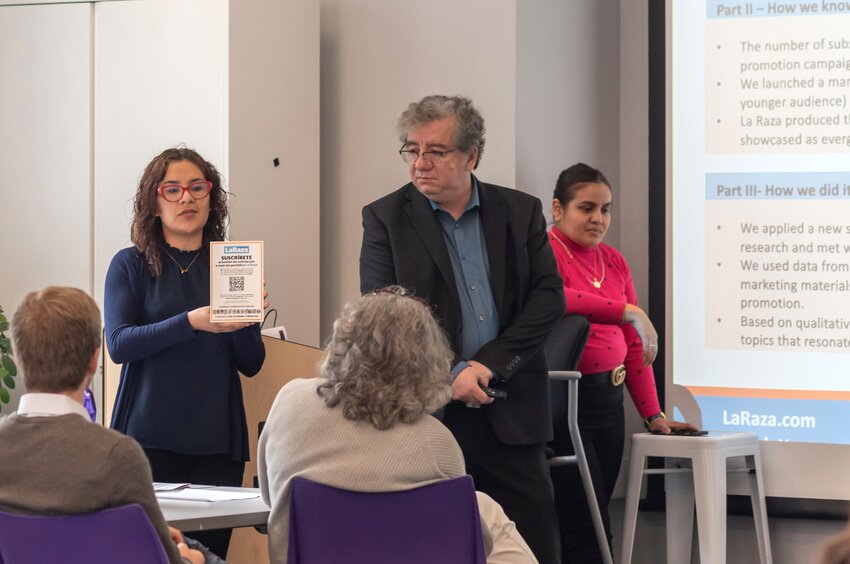
Amid a harsh advertising climate, La Raza Chicago, the top Spanish publication and news website in Chicago, has maintained a 20,000/week circulation and a web and social media platform for digital delivery to tens of thousands of users. In the past year, they developed award-winning products like a new curated newsletter with 800% subscriber growth. Along with being named the Best Spanish Weekly in the U.S. for several years by the National Association of Hispanic Publications, they’ve won several grants and have been part of a number of programs and collaborations.
Key members of La Raza Chicago:
Can you share one specific story, initiative or innovation your publication produced/created that you believe best exemplifies the kind of Media That Matters?
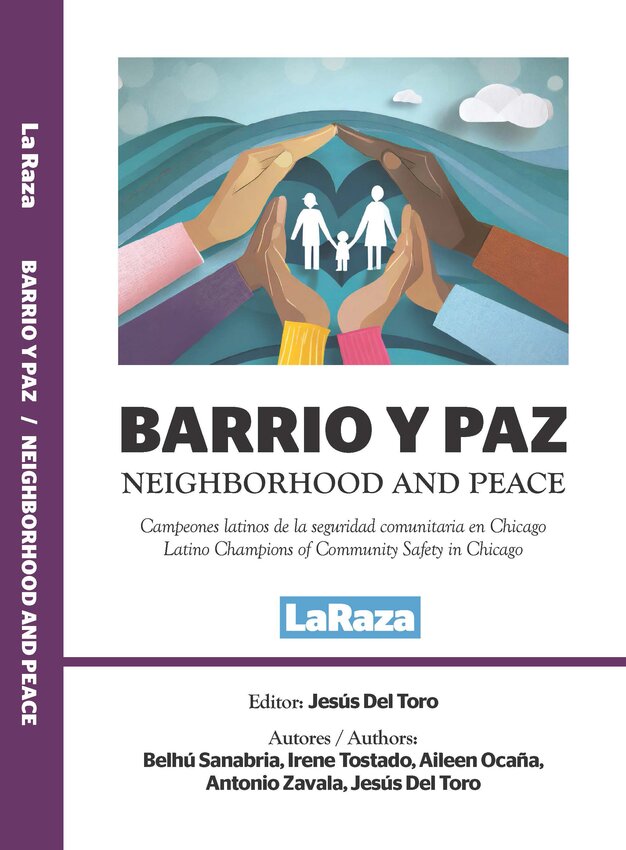
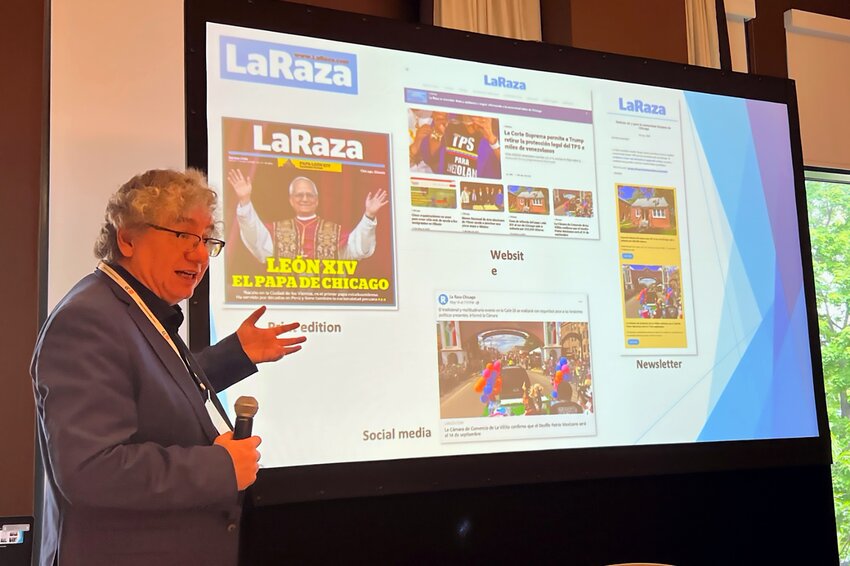
La Raza is devoted to the information, empowerment and wellbeing of the Latino community in Chicago, and thanks to a grant from the Chicago Community Trust, we started a large bilingual editorial series about community safety in Latino neighborhoods. Titled “Barrio y paz / Neighborhood and Peace,” La Raza produced 12 prominent, in-depth features to highlight how local organizations and individuals are working to mitigate violence, restore community relationships, help the victims, develop prevention activities, create opportunities for social reinsertion and tackle the structural causes that ignite violence from a holistic perspective. The 12 articles of “Barrio y paz,” reported and written by a team of local reporters led by Jesús Del Toro, were published in the La Raza print edition for several weeks and on the La Raza website, promoted through our social media and newsletter, and compiled in a special book that was the winner of the Silver Medal, nonfiction category, at the International Latino Book Awards.
What advice would you offer to other news organizations seeking to deepen their relevance and impact in the communities they serve?
Listen to your community as a first step when planning your editorial coverage and other activities. That will allow you to catalyze your newsroom knowledge, skills and capabilities to produce better content about the needs and interests of the community you serve. That will make you more relevant in terms of journalism, increase your community engagement and reach, and boost your sustainability possibilities.
Murrow News Fellowship
Edward R. Murrow College of Communication, Washington State University, Pullman, Washington

While one Washington wants to limit and control the press, bipartisan lawmakers in the other Washington have authorized a creative approach to support it, especially in underserved communities in the nation’s 13th most populated state. In 2023, the Washington state legislature approved funds to establish the Murrow News Fellowship Program. The program placed 16 emerging journalists in communities that would otherwise lack local reporting, supervised by the newsroom that selected them for their two-year term but employed by Washington State University in a program managed by the Murrow College of Journalism. Residents of more than one half of Washington’s counties now have deeper reporting of agriculture, immigration, water and local government — often in rural communities. The journalist group includes four bilingual journalists, ensuring critical information reaches the underserved Spanish-speaking communities. The Murrow News Program journalists have produced over 1,600 articles — freely available to all news outlets via Creative Commons.
Key members of Murrow News Fellowship:
Can you share one specific story, initiative or innovation your publication produced/created that you believe best exemplifies the kind of Media That Matters?

The program’s innovation lies in its collaborative approach, which has asked newsrooms to work together to direct fellows. This presents challenges, obviously, but when it works, the work is shared more broadly, newsrooms learn from each other, and the fellows are the fulcrum of the partnership. In Spokane, Washington, Fellow Monica Carillo Casas regularly produces stories for radio and print for The Spokesman-Review and Spokane Public Radio. In Olympia, our legislative fellows produced coverage available to every news outlet in the state, including daily television reports in coordination with state publications. It’s reporting that is fundamentally oriented to serve the citizens of Washington rather than individual newsroom needs.
What advice would you offer to other news organizations seeking to deepen their relevance and impact in the communities they serve?

We see this program as a first step into encouraging collaboration — not competition — in this era of small news teams that face an endless demand for quality local journalism, placing tremendous pressure on editors and reporters. Increasingly, local news editors and station managers are open to experimenting with collaboration so that news-gathering resources can be better directed to cover issues critical to our communities.
NEMOnews Media Group, LLC
Kahoka, Missouri

Starting in 2003 with three local newspapers, NEMOnews Media Group has grown into a resilient, locally-owned network of newspapers serving seven counties across rural northeast Missouri. Bringing multiple publications back from the “brink of extinction,” their focus has been not just to preserve the papers but to transform them — with digitized operations, streamlined printing and mailing systems, updated websites and rebuilt newsrooms. Through this work, NEMOnews Media Group has endeavored to restore civic trust and strengthen democracy at the local level with innovative content that is deeply rooted in community values.
Key members of NEMOnews Media Group, LLC:
Can you share one specific story, initiative or innovation your publication produced/created that you believe best exemplifies the kind of Media That Matters?

A standout example of our commitment to meaningful, community-first journalism was our comprehensive coverage of three school bond issues in districts in northeast Missouri over the past few years. In the Clark County R-1, Palmyra R-1 and Milan C-2 school districts, we produced an in-depth, multi-part series highlighting aging facilities, building safety vulnerabilities and how the proposed upgrades would improve our students’ learning experience.
Rather than simply reporting ballot language, we took the time to explain the financial implications, spotlight building conditions with photos and interviews, and explain the issues. These stories not only informed voters but helped build trust and consensus. In all three districts, the bond issues passed by solid margins — votes that have led to safer, more modern and more energy efficient schools for hundreds of students.
What advice would you offer to other news organizations seeking to deepen their relevance and impact in the communities they serve?
“The key to long-term relevance is staying relentlessly local,” said Mike Scott. “Cover the city council meetings, the Friday night games, the school plays and all the chicken dinner fundraisers — stories that bigger outlets miss but are the heart of a community's identity.”
“Be present, consistent and accurate. Your audience needs to see that you care as much about their town as they do,” Sue Scott added.
Use technology wisely. At NEMOnews Media Group, we have embraced tools like AI for research and editing, Presteligence for layout and online posting, and social media for live sports and meeting coverage — but never at the cost of authenticity or community connection. Technology should enhance and expand your work, not replace or shortcut it.
Take on the hard issues, but walk the fine line between comprehensive reporting without tearing down your communities. A local newspaper is the living, breathing history of the community — updated weekly. Every edition contributes to the permanent record of small-town life. Treat that responsibility with the seriousness it deserves, and your readers will respond with loyalty, support and trust.
New Jersey Urban News
Newark, New Jersey
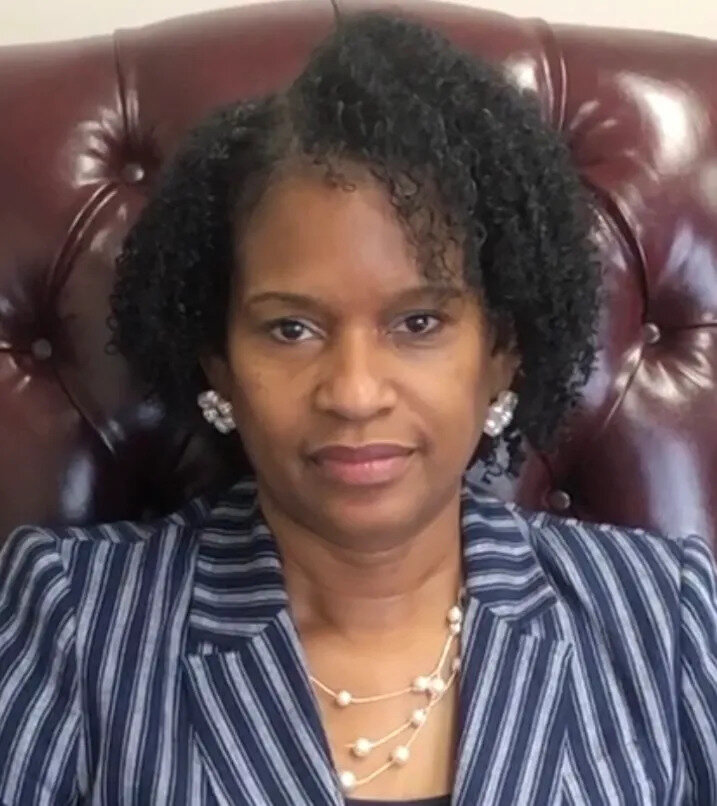
This Black-owned, digital-first media company dedicated to covering New Jersey’s vibrant African American community has grown from a one-person newsroom to a full-service operation in two years. It has a robust website, two weekly newsletters, two monthly podcasts and a loyal audience across some of New Jersey's most overlooked markets. Along with a geographic expansion, a sharp rise in newsletter subscribers and grant funding, New Jersey Urban news has launched a multi-faceted revenue model to ensure sustainability. Branded content, advertising and sponsorships are the cornerstones of its revenue model. An upcoming platform, Momentum, is a behaviorally intelligent sales coaching tool built for small and mid-sized media organizations.
Key members of New Jersey Urban News:
Can you share one specific story, initiative or innovation your publication produced/created that you believe best exemplifies the kind of Media That Matters?

At New Jersey Urban News, our “Media That Matters” moment came with the launch of our “Waste Water, Stormwater Matters” reporting initiative — an investigative and solutions-oriented editorial series focused on stormwater management, wastewater treatment and environmental justice issues impacting underserved Black and brown communities across urban New Jersey. This project and podcast series spotlighted a critical, often-overlooked issue and empowered residents through accessible reporting, bilingual resources and community engagement. The initiative led to increased civic participation, local policy discussions and deeper partnerships with public health advocates, exemplifying our commitment to public service journalism that informs, uplifts and activates the communities we serve.

What advice would you offer to other news organizations seeking to deepen their relevance and impact in the communities they serve?
Focus on listening before reporting. The most impactful journalism starts with understanding the lived experiences, needs and concerns of the communities you aim to serve. Build trust by consistently showing up — both online and offline — and by creating content that reflects and respects your audience’s voices. Invest in local partnerships, hire from within the community, and align your reporting with tangible issues that matter — whether it’s public health, education, housing or small business development. Relevance comes from relationship, and impact comes from consistency.
Newsberg
Newberg, Oregon
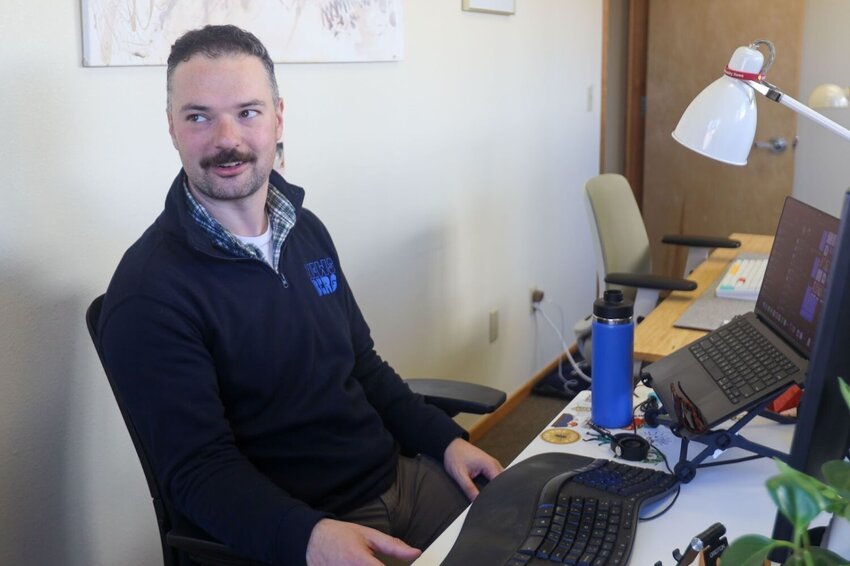
Founded in 2023 in response to the politically charged climate, Newsberg, a new community-driven digital news outlet, has grown through neighbor-reported news that aims to answer the community of Newberg’s questions. They give their readers a feeling of ownership of their news and events outlet with innovative audience engagement and communication vehicles. In just over a year, Newsberg has built a loyal donor base, attracted public sector partnerships and become the city’s go-to source for essential coverage such as city council recaps, local business profiles and event calendars.
Key members of Newsberg:
Can you share one specific story, initiative or innovation your publication produced/created that you believe best exemplifies the kind of Media That Matters?

Something I tried this year was a community walking tour. It’s not traditional journalism, but that’s the point. I wanted to create a space where people could connect directly with their local reporter, not through an email or social media chat, but face to face. During each tour, we discuss what’s happening around town — from new developments and infrastructure to historical landmarks and neighborhood concerns. I also use the time to ask a few open-ended questions and just listen. It’s a low-pressure way for people to share their thoughts, ask questions or tell me what matters to them. Those conversations often spark future stories or help me approach coverage with more context and care. The walking tour ended up being an invitation to be part of the process and a reminder that local journalism isn’t something done to a community but with it.
What advice would you offer to other news organizations seeking to deepen their relevance and impact in the communities they serve?

Start by being physically present as a journalist and as a neighbor. Trust in media has declined, and that skepticism has trickled down to the local level. Rebuilding starts with connection. I’ve found that simply showing up — whether through walking tours, attending community events, or chatting with people around town — goes a long way. It shows you care not just about reporting the news but about the people living it.
Second, let the community guide your work. One of the most important roles of a local journalist is to answer the questions your neighbors are asking. I often find stories by browsing community Facebook groups or listening to what people are wondering about at the farmer’s market or city park. That curiosity is a valuable roadmap. If something catches your eye or feels confusing, it likely does for others, too.
Finally, remind your community of the deeper purpose of local news: preserving collective memory. As local newsrooms shrink or disappear, many local stories are being lost. If we don’t document what’s happening — big or small — future generations will be left piecing together history from social media posts or hearsay. I feel like the community is hiring me to be their recorder. My job is to document what happens so that people will understand how we got there in 10, 20 or even 100 years. That sense of purpose matters; it can inspire others to value and support local journalism, too.
Richmond Times-Dispatch
Mechanicsville, Virginia

The Richmond Times-Dispatch, owned by Lee Enterprises, is the primary newspaper of record for the state of Virginia and one of the legacy news operations in this year’s “Media That Matters.” We chose the Times-Dispatch because it launched two innovative initiatives in 2024 to deepen community engagement (particularly in underserved communities), enhance transparency and rebuild trust in journalism: a Reader Advisory Board and a mobile newsroom that sets up in neighborhoods and public spaces across the region. Both initiatives have been incredibly successful and are ongoing, shifting the Times-Dispatch newsroom from a reactive to a proactive relationship-based approach and opening communication in underserved communities.
Key members of Richmond Times-Dispatch:
Can you share one specific story, initiative or innovation your publication produced/created that you believe best exemplifies the kind of Media That Matters?

The Richmond Times-Dispatch exemplifies “Media That Matters” through its Reader Advisory Board, a community initiative designed to build trust, increase transparency and deepen engagement.
Launched in 2024 as part of a broader commitment to responsive journalism, the board included 10 diverse members selected from over 100 applicants. These individuals met monthly with newsroom leaders to offer feedback on coverage, story priorities and unmet community needs.
The initiative fostered two-way learning: community members gained insight into journalistic practices. At the same time, reporters and editors benefited from on-the-ground perspectives that challenged assumptions and sparked more inclusive reporting.
This program has strengthened mutual respect and turned participants into trusted advocates for local journalists. Based on the success of the first cohort, the Times-Dispatch is launching a second board in 2025 to continue this essential work.
What advice would you offer to other news organizations seeking to deepen their relevance and impact in the communities they serve?

Listen first, then act: Build relationships by creating spaces like advisory boards, listening sessions or community forums where residents feel heard. Let that feedback guide your newsroom’s focus and direction.
Reflect your community, not just report on it: Ensure your staff, sources and story choices reflect the diversity of your community. Our Mobile Newsroom initiative, which embedded journalists in different neighborhoods, sought to continue building bridges in areas that weren’t covered enough.
Start with the impact: Focus on what matters most to readers. Center your journalism on the issues that affect people’s daily lives, and measure success by how your reporting informs and empowers. Let impact — not just process — drive your storytelling.
The Santa Fe New Mexican
Santa Fe, New Mexico

The Santa Fe New Mexican is the oldest newspaper in the state and has remained focused on accountability journalism since its inception in 1849. Locally owned and independent, The New Mexican celebrated its 175th anniversary in November by leaning into his longtime ties to Northern New Mexico and the state. The Santa Fe New Mexican has continued to grow through a community focus, accountability journalism and innovation — including expanding to nine newsletters, three weekly podcasts, new accountability features such as Politics Check and Public Records Watch, community events like Pasatiempo’s annual writing contest, 10 Who Make a Difference and Super Scholars. The newspaper is even launching a beer in partnership with a Santa Fe-based brewing company.
Key members of The Santa Fe New Mexican:

Can you share one specific story, initiative or innovation your publication produced/created that you believe best exemplifies the kind of Media That Matters?
The New Mexican remains a powerful connector of the communities it serves through its ongoing focus on accountability journalism and the state’s unique heritage; strong community engagement and relationships with community partners; its award-winning Pasatiempo life and culture magazine; and a plethora of evergreen, high-quality magazines that reflect Santa Fe’s world-class reputation as a tourism and arts destination. The New Mexican has an extensive commercial print operation.
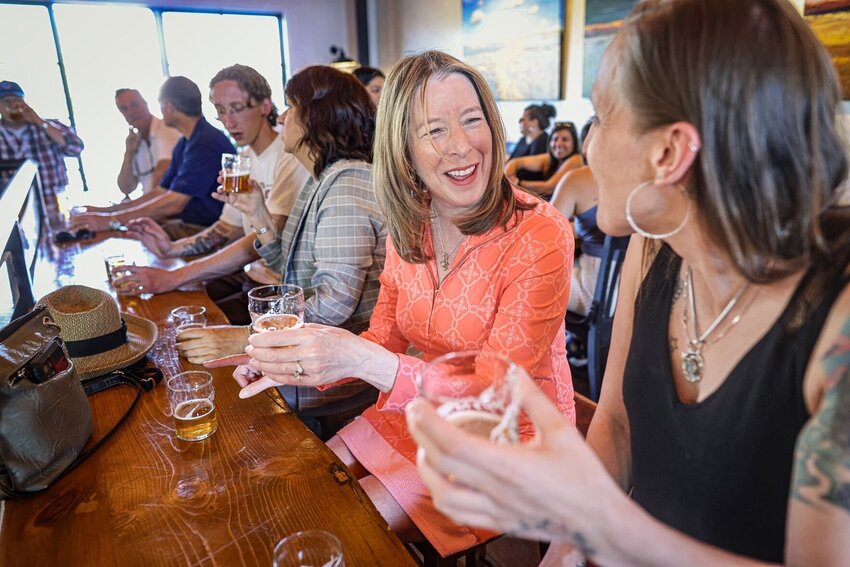
The New Mexican has also successfully expanded its digital audience through subscriber growth and retention strategies and an assortment of new products, including rapidly adding newsletters and audience-focused podcasts in the second half of 2024. Audience growth has been about understanding the audience — a theme that runs across all departments. The New Mexican’s strength has been connecting its deep roots with generations of New Mexico residents. We’ve been here from the beginning by listening, adapting and leading.
What advice would you offer to other news organizations seeking to deepen their relevance and impact in the communities they serve?
Community involvement — being close to the community and reflective of the community. It stems from honoring the two-way investment between a newspaper and the communities they serve. The New Mexican is more than a legacy business. It remains an important business partner for Northern New Mexico, a community connector, a statewide thought leader through its vibrant opinion pages and a well-regarded news organization focused on the past, present and future.
Star Media
Luverne, Minnesota

This small newspaper publisher, the Rock County Star Herald, saw its paid advertising diminishing. More businesses were turning to social media to get their word out rather than advertising in the paper. Despite this shift, the staff still believed their community needed local news. The decrease in paid ads pushed them to think creatively about how to increase revenue and stay relevant.
Last fall, they launched Star Media, a video platform designed to reach audiences in new and engaging ways. They partnered with Sunshine Foods, the local grocery store, to create digital content for their social media channels. They also work with their local chamber of commerce and city departments to produce meaningful, community-driven content. They’ve found the “secret sauce” to reach people in fresh, exciting ways.
Key members of Star Media:
Can you share one specific story, initiative or innovation your publication produced/created that you believe best exemplifies the kind of Media That Matters?
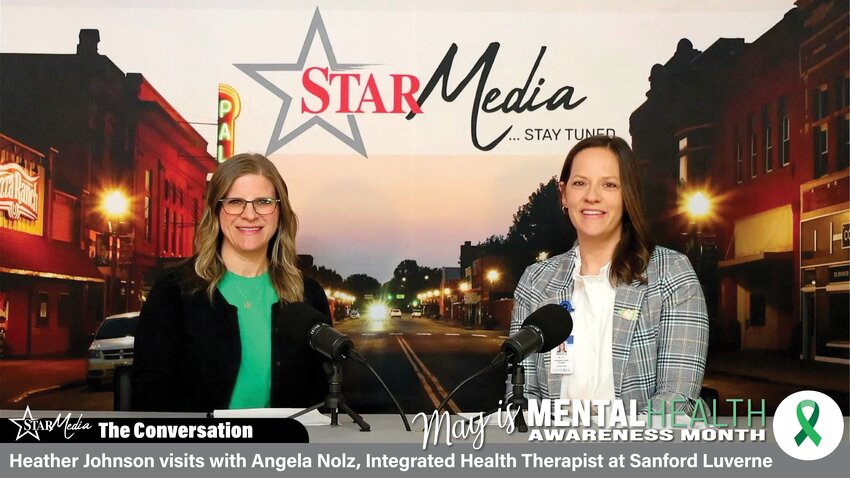
Earlier this year, someone contacted us about creating a Star Media segment focused on suicide. After researching the topic and learning that May was Mental Health Awareness Month, we decided to do a series on mental health. Each week in May, we highlighted a different mental health aspect and featured local experts who shared valuable information and resources. Our office has a close, personal connection to suicide, as our editor lost her son to suicide three years ago. As one of the contributors, she shared how she is using this tragedy to educate young people about normalizing brain health conversations to reduce stigma.
We are incredibly proud of this series and truly hope it reaches the people who need it most. Without Star Media, we wouldn't have been able to produce such an essential public service.
What advice would you offer to other news organizations seeking to deepen their relevance and impact in the communities they serve?
At Star Media, we've learned that staying relevant means staying connected. Our biggest advice to other news organizations is to put your community at the center of everything you do. That means listening first — what do people care about, what are they worried about, what brings them joy? Then, use your platform to amplify those voices and stories.
Don’t be afraid to try new things, especially when it comes to how you deliver your content. We’ve leaned into video because it’s engaging, accessible and allows us to show the human side of local news. And even as platforms change and trends shift, one thing stays the same: people want to feel seen and heard.
Finally, be present. Show up for town events, school functions and everyday moments that matter. That's how you build trust, and trust is what makes local news indispensable.
TAPInto and Hyperlocal News Network
New Providence, New Jersey

TAPInto and Hyperlocal News Network are currently the only franchise model for local news in the U.S. and have been recognized each of the last four years with numerous awards for franchisee satisfaction by Franchise Business Review. In late 2024, TAPInto, a network of 98 independently owned and operated local news and digital marketing platforms in New Jersey, New York, Pennsylvania and Florida, developed technology to allow the licensing of its tech stack, enabling existing publishers to have a robust digital presence that increases revenue and audience while reducing expenses.
Key members of TAPInto and Hyperlocal News Network:
Can you share one specific story, initiative or innovation your publication produced/created that you believe best exemplifies the kind of Media That Matters?

Our DIY content marketing platform, which won first place for innovation from the Local Media Association in 2024, exemplifies the kind of “Media That Matters.” We saw our local news publishers spending hundreds of hours per year wading through emailed press releases and event listings and working tirelessly to post them on their sites while those same businesses, nonprofits and government agencies spent their advertising dollars elsewhere. We asked, “How can we change this dynamic?” Through the DIY platform, these entities can now submit and pay for their content to be published while still enabling our publishers to have complete control over the content. This saves our publishers time and creates a new revenue stream for them.
We also enabled the DIY platform to recognize advertisers and, for those with content marketing packages as part of their advertising campaigns, use the platform to submit their content. We have since built out new features with the DIY platform, including obituaries, classifieds, business listings and more, as well as upcharging for appearing in the daily newsletter, publishing the content ad-free and posting the content on social media. Since we continually strive to improve and add new features for our publishers, we have also added an open house feature for realtors this year, and a new local deals & offers and a job board will soon be released, as well, with more new features on their way later in 2025.
What advice would you offer to other news organizations seeking to deepen their relevance and impact in the communities they serve?
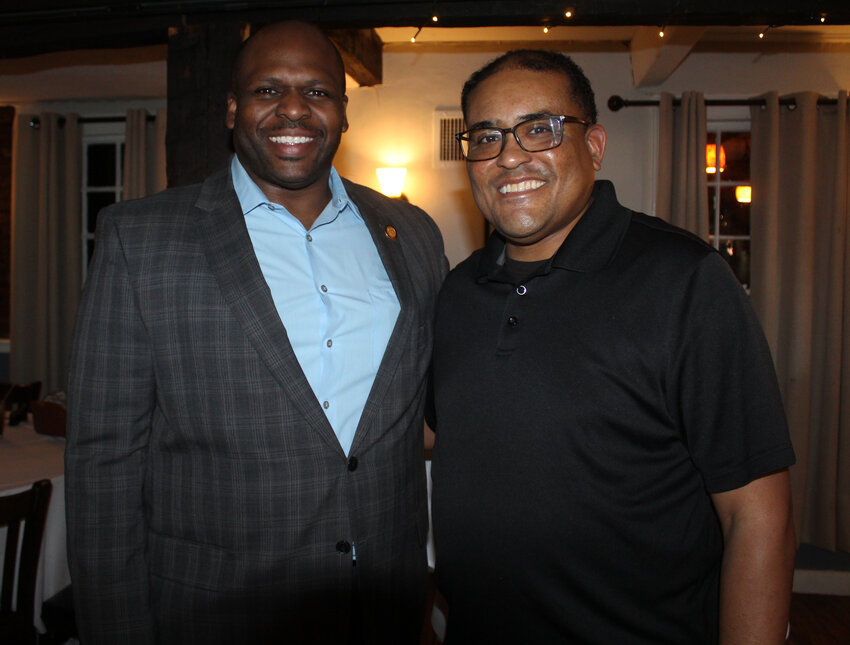
It’s pretty simple: show up. Be at the meetings. Attend the events. Ensure your newsroom is seen not just as a media outlet but as a real part of the community. People notice when you’re present, and they remember it.
In the end, our editors and publishers not only cover the community, but they live there — so being there for our readers and being seen is natural. Being there for our audience goes further than attending events. When we receive a message needing a solution to a problem, we’re there for them through our content, advertising solutions and our many platforms.
When your newsroom becomes a place people turn to for answers and connection and not just news, you’re building something lasting. That kind of trust can’t be bought or scaled overnight. It comes from showing up, over and over again.
U.S. Military Publishing
Woodstock, Illinois

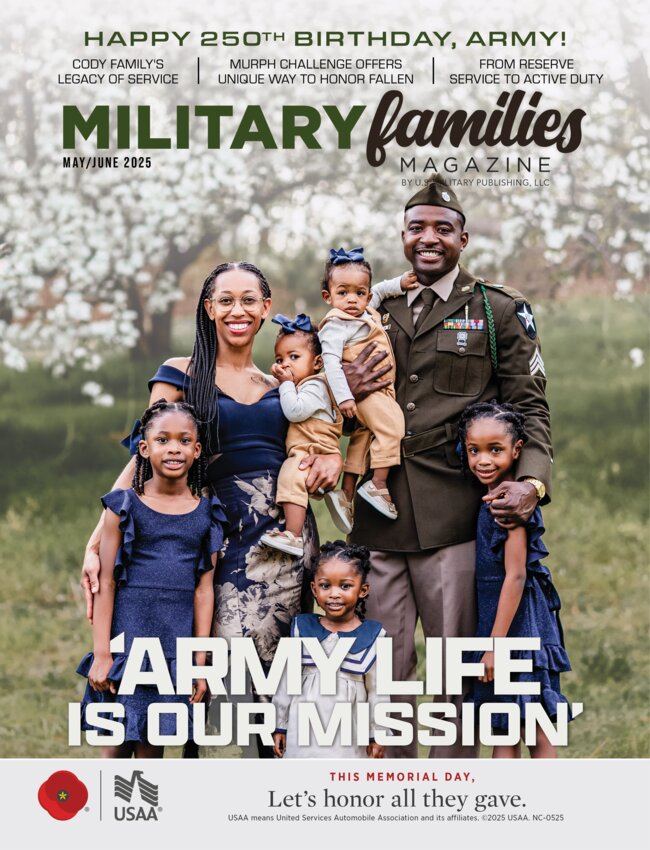
Founded in 1999, U.S. Military Publishing (USMP) is a woman-owned media organization focused on informing and empowering the U.S. military community worldwide. It reaches over two million military readers across print, digital and social channels with its flagship magazines — Military Families and Reserve + National Guard — and a suite of digital platforms. Its team is composed entirely of editors and writers with military affiliations focused on crafting authentic, mission-aligned stories that resonate with readers. In 2025, Miliary Families was ranked #2 among both the top military and top 50 family magazines. In the last year alone, USMP launched two themed digital guides (Military Entrepreneur Toolkit and Military Insurance Guide), a hardcover book for IHG Army Hotels’ Historia Collection and three new digital ad products.
Key members of U.S. Military Publishing:

Can you share one specific story, initiative or innovation your publication produced/created that you believe best exemplifies the kind of Media That Matters?
Our mission is to inform, entertain and support today’s warfighters, veterans and their families through channels that reach them where they work and play. USMP’s best demonstration of Media That Matters is the workforce we have developed to create these offerings. What better way to deliver the messaging our audience craves than by creating income earning opportunities for talent from our target demographics: military veterans, spouses, and in some case, military kids. Our editors, writers and photographers know what media matters to this audience because they live the unique lifestyle.
What advice would you offer to other news organizations seeking to deepen their relevance and impact in the communities they serve?
Be clear on who your audience is and how they want to digest information. You do not need to be on every platform. Be really good at two or three while investing in the tools to keep up with innovation.
Further, instead of talking at readers, we build our content strategy off the conversations we hear and read through social media engagement, focus groups and input from our writers. In a very saturated market, you are competing for people's most valuable asset — their time. Make sure you are using that limited window of engagement for maximum delivery — quality versus quantity.

Wānaka App / iAppNetwork
Wānaka, New Zealand
Wānaka App, a 10-year-old hyper-local digital news and information publisher based in New Zealand, is a profitable, fully sustainable app that operates on its own SaaS publishing to a mobile app, web app and weekly newsletter. This team of four has extraordinary engagement with a monthly readership equal to 80% of its local adult market and a subscriber base equal to 20% of the local adult population. Its advertising revenue is equivalent to 11% of its local advertising market. They publish daily news, breaking news, an event calendar, jobs, business and community directories and local happenings. They also license their SaaS platform to other hyper-local media operators in New Zealand and Australian markets.
Key members of Wānaka App / iAppNetwork:
Can you share one specific story, initiative or innovation your publication produced/created that you believe best exemplifies the kind of Media That Matters?
We are a digital publisher distributing via a mobile app, web app and newsletter. We publish via our own proprietary software (SaaS) platform — the iAppNetwork, which is available for licensing, and we have a number of licensees in New Zealand and Australia. The software is critical. It has allowed us to achieve extraordinary reach (three times the local adult population) and engagement (reader sessions equivalent to a third of our adult population daily). Ninety-five percent of revenue is driven from local advertisers.
What advice would you offer to other news organizations seeking to deepen their relevance and impact in the communities they serve?
You must have a platform that will deliver “real engagement.” This means more than a website. The engagement we get on the mobile app is 30 times that of the website. To attract advertising revenue and supporters/subscribers, you must get “real engagement.” The mobile app’s readership is direct, so we do not rely on any third-party referral platforms. In fact, we don’t publish our news content on social media at all. Once you have a platform that can deliver, you need to embed yourself in the local community and produce quality news and information.
 Robin Blinder is E&P's editor-in-chief. She has been with E&P for five years. She can be reached at robin@editorandpublisher.com.




Comments
No comments on this item Please log in to comment by clicking here