
One of my favorite salutes has always been E&P’s 25 Under 35. Last year, we changed it up a bit and renamed it “Tomorrow’s News Trailblazers.” This salute showcases our future — one that’s inspired, passionate and innovative — reinvigorated by fresh ideas and talent. This group of “Trailblazers” is redefining the industry and transforming news media.
We thank the supervisors and colleagues who thoughtfully nominated this year’s recipients. I am sure you’ll find their perspectives inspiring and that they will give you renewed hope for the future of news media. Cheers to E&P’s 2026 “Tomorrow’s News Trailblazers!”
(Alphabetical, by last name)

Katrina Aman (she/her), 32
Audience Engagement Editor, The Conversation U.S., Waltham, Massachusetts
Education: Master of Science, Journalism, University of Oregon School of Journalism and Communication, Eugene, Oregon
What is a lesson you’ve learned early in your career that you think future news trailblazers should know?
I’ve learned — and even still, not as early as I would have hoped — that publishing a great story isn’t the finish line; it’s the starting point. If journalism is meant to inform the public, we must think as seriously about how stories reach audiences as we do about creating them. Future news trailblazers should treat audience engagement, platform strategy and accessibility as core parts of journalism, not afterthoughts.
Another lesson: take burnout seriously. The pace of digital journalism can keep you in a constant state of urgency, but none of us can do this work well if we ignore our capacity to sustain it. As someone important in my life often reminds me, it’s a marathon, not a sprint.
What emerging trends in journalism or media technology excite you the most?
One trend that excites me is the growing collaboration between journalists and creators or influencers. These worlds often operate separately, but we’re starting to see real partnerships that pair rigorous reporting with the trust many creators have built with their audiences and brands.
There’s still a lot to learn. Journalists and creators face different pressures, and building mutual respect and trust will take time. But I think the collaboration is promising and inspiring. It has real potential to reach new audiences and audiences that have long distrusted traditional media.


Corina Cappabianca (she/her), 34
Washington Correspondent, Spectrum News
Education: Bachelor of Arts, Journalism and Politics, New York University, New York City
What is a lesson you’ve learned early in your career that you think future news trailblazers should know?
It may be cliché, but at the end of an interview, ask, “Is there anything else you'd like to say? Or is there anything I missed?” Sometimes you'll learn something new, or something you hadn’t thought of before.
Also, don’t be afraid to keep asking questions if you don’t fully understand something. Remember that you are trying to get the best answer for your audience.
What is the most useful reporting skill you have learned on the job?
Being adaptable. Ahead of a big interview with a public official, I research what they’ve said on the matter and, if there’s a record, how they’ve voted in the past. It’s also important to study how they respond to questions. But sometimes news breaks, and you might just need to chase a lawmaker down a hallway to get a response. Every day is different, but that’s part of the fun!

David Cotrone (he/him), 34
Director of Public Relations and Communications, PRX, Minneapolis
Education: Bachelor of Arts, English and Anthropology, College of the Holy Cross, Worcester, Massachusetts; Master of Fine Arts, Creative Writing, New York University, New York City
What is a lesson you’ve learned early in your career that you think future news trailblazers should know?
A few lessons: Make room for creativity. The details matter as much as the big picture. Collaboration unlocks potential.
What project, story or initiative are you most proud of, and how has it made an impact?
I recently read a couple pieces of audience feedback that stuck with me about production partners’ content. One note was, “I got goosebumps. Thanks for finding the stories that will keep me coming back.” Another read in part, “Thank you for helping me find empathy.” I’m lucky to be in a role that helps support content with the almost impossible power to do both of those things: stick with someone and make a difference. Public media’s mission to enrich lives through storytelling is an increasingly rare pursuit and one I’m really proud to be part of.

Ella Scott-Dean (she/her), 23
Audience and Membership Manager, Fort Worth Report, Fort Worth, Texas
Education: Bachelor of Arts, Public Relations and Advertising, University of Texas, Arlington, Texas
What is a lesson you’ve learned early in your career that you think future news trailblazers should know?
If you are sitting in a room full of leaders who are having important conversations and making decisions, you deserve to be there. Help make the decisions. Your voice is your most powerful tool, but only if you use it. I have often been the youngest at every organization I’ve worked for and in every meeting. When you are capable and deserving of being in those rooms, almost no one questions your age or says you're too young — only you do.
As cheesy as it sounds, age is just a number. More experience or wisdom is helpful and often sought after, but if you made it in the room (I’ll say it again), you deserve to be there!
Can you share a defining moment in your career that shaped your path as a news professional?
When asked about the most pivotal moment of my career that truly defined my path, I always point to one memory. After two months as a reporter for my college newspaper, I drafted a letter of resignation and prepared to hand it to my adviser. I stepped into her office and immediately broke down crying. Journalism was the only career goal I had, and I didn’t want to leave the industry. However, I knew daily reporting was not for me. Luckily, my adviser refused to let me give up. She steered me toward audience and connecting journalism to people who need it most. That quickly became my passion and the path I have taken ever since.
My adviser’s belief in me and support along the way were crucial for my young career. I have since gained experience in audience journalism, built confidence in my skills and experimented with new engagement strategies. All it takes is for one person to believe in you when you see giving up as the only option. I hope all young professionals have at least one mentor like that to look to when times get hard.

Bailey Dunlap (he/him), 29
Chief Revenue Officer, Dunlap Media Group, Laurens, South Carolina
Education: Bachelor of Arts, Political Science, University of South Carolina, Columbia, South Carolina
What is a lesson you’ve learned early in your career that you think future news trailblazers should know?
One of the biggest lessons I’ve learned early in my career is that great journalism and strong business thinking must coexist. For a long time, the industry treated those as separate conversations, but the future belongs to news leaders who understand both. Producing impactful reporting is essential, but if you’re not also thinking about sustainability, audience behavior and innovation, you’re leaving the future of that journalism to chance.
I’ve also learned that trust in local news is built through consistency. It’s not just one big investigative story that creates loyalty; it’s showing up every single day and becoming part of people’s routines. When readers know they can rely on you to keep them informed about what’s happening in their community, that relationship becomes incredibly powerful.
For future trailblazers, I think it’s important to embrace both the mission and the model. Protect the purpose of journalism, but don’t be afraid to think creatively about how to sustain and grow it.
What do you think the news media landscape will look like in 10 years? What do you hope to be doing at that time?
In ten years, I believe the news landscape will be even more digital, more immediate, and more personalized than it is today. Audiences will expect news to meet them wherever they are, whether that’s through websites, newsletters, podcasts, social platforms, or formats that don’t yet exist. The distribution channels will continue to evolve quickly, but the core challenge will remain the same: earning and maintaining trust.
As artificial intelligence becomes more advanced, the volume of automated and AI-generated content will increase dramatically. That will make it harder for audiences to distinguish between what is real, what is credible, and what is simply noise. Because of that, the value of curated, original journalism will only grow. News organizations that invest in real reporting, strong editorial judgment and deep connections to their communities will stand out even more in that environment.
Ten years from now, I hope to still be focused on filling news deserts and building local media brands that serve their communities every day. My goal is to help prove that local journalism can not only survive in the digital era, but thrive when built on trust, consistency and a clear understanding of its audience.

Bryn Eddy (she/her), 25
Editor, Lexington County Chronicle, Lexington, South Carolina
Newsletter Editor, Osteen Publishing Company (South Carolina newspapers), Sumter, South Carolina
JOUR 291 Writing for Mass Communication Instructor of Record, University of South Carolina, Columbia, South Carolina
Education: Bachelor of Arts, English, Winthrop University, Rock Hill, South Carolina
Currently pursuing a Master of Arts, Journalism, University of South Carolina, Columbia, South Carolina
What is a lesson you’ve learned early in your career that you think future news trailblazers should know?
Local journalists should let their readers know they are local residents, too. Readers will trust your reporting more when they know you’re a community member like them. Yes, remain unbiased in your reporting, but let your readers know you’re human through newsletter introductions, columns and social media posts. You can get involved with local theater, volunteer at your local shelter and attend community events as a citizen; basically, learn to love the community you’re reporting in, and tell your readers about it. News consumers, especially at the local level, want their reporters to be real people with real passions, loved ones, favorite local spots and growing personal roots in the area. You can accomplish these personal local ties even if you're new to the area.
Which current digital trends should our industry pay close attention to?
Creative, soft-lede news stories paired with impressive photography seem to perform just as well on social media as breaking hard-lede news stories. People are starved for good writing, detail-oriented storytelling and soft ledes that beg you to read more. In short, don’t always bank on hard-hitting breaking news; invest in excellent writers and photographers who remind news consumers of the power of creative prose and well-shot photos in giving accurate, memorable accounts of the human experience.
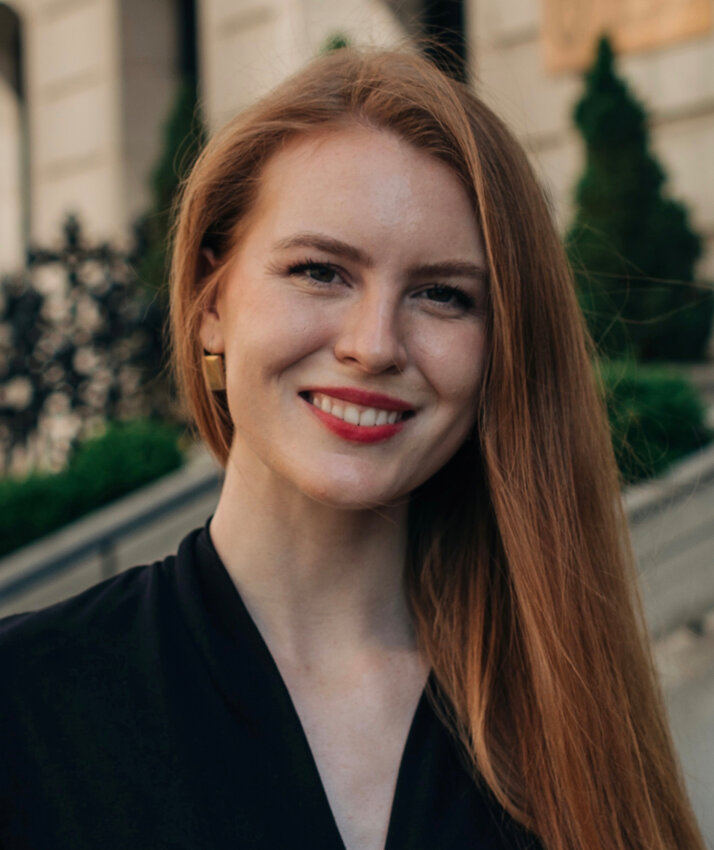
Elli Esher (she/her), Director of Ad Product Content and Operations, Hearst Newspapers
Education: Bachelor of Arts, Journalism, The King’s College, New York City
What is a lesson you’ve learned early in your career that you think future news trailblazers should know?
Own what you don’t know! In the first years of my career, I was hesitant to speak up in meetings when an unfamiliar term or project came up, and the thought of saying “I don’t know” to anything made me feel sick. I was young and pivoting from journalism to an ad product role, and these factors made me deeply afraid of appearing incompetent. I thought that by hiding what I didn’t know, I was protecting myself.
Over the years, I’ve come to realize that acknowledging what you don’t know can be a powerful tool. Whether it’s clarifying next steps after a long call, repeating back an update from another department to ensure you understood it correctly, or responding with, “I’m not sure, but I’ll find out,” instead of deflecting a question, that temporary vulnerability prevents you from acting on assumptions (which often leads to rework) and supports your colleagues, too. We’ve all felt the collective relief that comes when someone asks the question everyone was thinking but didn’t want to say.
It’s also important to remember that transparency builds trust. When you’re honest about what you don’t know, you’re showing that you value accuracy over ego. That’s huge. There are many subject matter experts out there, but being trusted sets you apart.
What innovations or changes do you believe are essential for the future sustainability of journalism?
The digitization of news introduced exciting new revenue streams through programmatic advertising and third-party solutions. But relying too heavily on these approaches can erode the user experience and overlook one of our greatest competitive advantages: audience trust.
Local media brands are trusted community institutions. To build a more sustainable future, advertising portfolios should include premium, cross-channel, integrated sponsorships that harness the “halo effect” of that trust for brands. These offerings should respect the user experience, reflect the quality standards of our newsrooms, and feel native, enabling advertisers to position themselves as partners aligned with a credible voice in the community rather than as transactional buyers of impressions. And more of this kind of buying reduces noise on web pages and other digital channels, protecting the integrity of the great journalism that is central to all we do.
I also believe that content diversification will only become increasingly essential over the next few years, particularly as AI tools make the production of multimedia experiences easier than ever before. In today’s world, people consume information through a myriad of channels, including social platforms, podcasts, live events and niche newsletters. By consistently delivering quality journalism across diverse formats, news organizations will attract new audiences, create additional advertising opportunities, and benefit their communities by meeting them where they are.
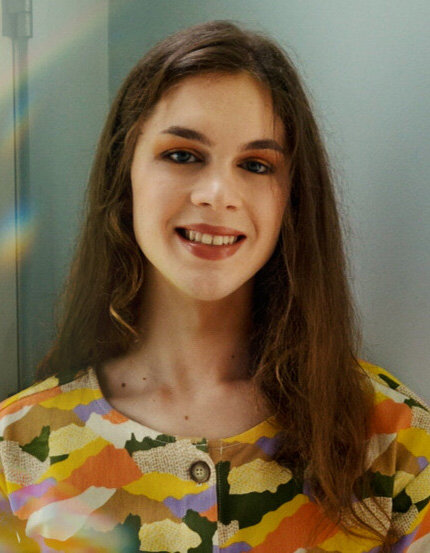
Sol Hauser (she/her), 24
Reporter/Photographer, The Daily News, Batavia, New York
Education: Bachelor of Arts, Environmental Design and a certificate in Journalism, University of Buffalo, Buffalo, New York
What is a lesson you’ve learned early in your career that you think future news trailblazers should know?
Sometimes it’s worth an extra paragraph to show our work: to explain where we got our information, who we talked to and why we pursued a certain angle. It helps readers remember that journalism doesn't just appear by itself.
If you could change one thing about the news industry, what would it be and why?
Economic reality. Journalists know what kind of reporting needs to be done, but there just aren’t enough people to do it all effectively. To that end, it's been encouraging to see the growth of specialized nonprofit newsrooms.

Rachel Hoppe (she/her), 23
General Assignment Reporter, Eden Prairie Local News, Eden Prairie, Minnesota
Education: Bachelor of arts, Journalism and Spanish studies, University of Minnesota Twin Cities, Minneapolis
What is a lesson you’ve learned early in your career that you think future news trailblazers should know?
As a Minnesota-based reporter, I initially struggled while covering the federal immigration surge in the Twin Cities and needed to learn how to take care of my mental health. I felt a lot of despair and struggled to juggle my own emotions with my reporting and the need to cover these stories. As Operation Metro Surge continued to unfold, I learned to find bits of positivity to report and to highlight the stories of neighbors coming together to help one another. I, of course, still need to do heavier reporting, and it is important to do so, but finding that balance made it easier to do my job and keep my community informed. Finding a balance will keep you going; you can’t do your job well if you’re running on steam and four cups of coffee!
What is the most compelling story you’ve covered? How did it impact your storytelling?
I spoke with a Spanish-speaking woman who was reckoning with her husband being detained by federal immigration agents. She and her children were confined to their home. I interviewed her in Spanish to learn not only what happened to her husband but also to hear what difficult feelings she and her children were working through. I had never been tasked with such an emotionally vulnerable story before, but I learned how to balance the hard facts and deep sadness to share the family’s story. I got into journalism because I wanted to tell real people’s stories, so it was an honor to be trusted with telling her family’s story and to use real-life anecdotes. Telling her story brought a face to the numbers and statistics we see when reading about social and political issues. I learned many invaluable lessons about how to conduct a good interview and write a compelling story when so many intense emotions are involved, not to mention in my second language. I was also struck by how important my ability to speak Spanish is to my reporting, because otherwise, I do not know how I would have been able to tell her story. I’ve taken the lessons I learned while reporting on her story to write with grace, kindness and integrity.

Miranda Jaimes (she/her), 33
Senior Managing Editor, Community Impact, Pflugerville, Texas (Serving major metro areas across Texas)
Education: Bachelor of Science, Journalism (with minors in International Relations and Creative Writing), Oklahoma Christian University, Edmond, Oklahoma
What is a lesson you’ve learned early in your career that you think future news trailblazers should know?
Go where the opportunities are. That means showing up and saying yes as often as possible. In this industry, growth often looks like taking the assignment that stretches you or stepping into something unfamiliar. Journalism is built on constant learning, and the moments that shape you most are often the ones that feel challenging at first. Lean into them.
What inspired you to pursue a career in news media, and what drives your passion for the industry?
Like many journalists, I’ve always loved to write. Journalism gives me the chance to do that every day in a way that's useful and meaningful to the people reading my work. But what truly fuels my passion is the people in this industry. There’s something about the camaraderie that comes from chasing down a source, finding a great data set or being the first to break news. We have each other’s backs. It’s rare to find a group of people who just get it. That shared drive keeps me inspired.

Cassandra Jenkins (she/her), 29
Editor, Community Impact, Pflugerville, Texas (Serving major metro areas across Texas)
Education: Bachelor of Arts, Communication and Journalism (with an emphasis in Print Journalism), Lamar University, Beaumont, Texas
What is a lesson you’ve learned early in your career that you think future news trailblazers should know?
Being able to multitask and grow new skills is essential to your success and ability to stand out, especially in a career that is constantly changing. In today’s world, people’s attention spans are shorter. The way they consume news has changed, moving more towards a more visual society that needs frequent updates to stay relevant. As journalists, we must adapt to that. We must be open to learning new skills. We must be able to write well, create content, string together visuals, take videos, shoot photos and so much more. If we don’t adapt and learn new skills, we risk becoming obsolete, and a world without journalists, without reliable and trustworthy news, would be a place of chaos. Adapt. Learn. Be open-minded. Take the initiative.
What is the key to connecting with your community?
Being physically present in the community is so important. When people see our faces at community gatherings, city council or school board meetings, drinking coffee at a local shop or dining at the nearby restaurant, it shows that we are part of the community and that we care what happens in it. We have to care about people, not just the breaking news or where it comes from. Talking to people on and off the record, asking about their lives, chatting over coffee and genuinely listening to their problems go a long way toward connecting with the community. Showing up and being present at every possible chance is the key.

Bethany Lane (she/her), 27
Revenue Strategist, QCity Metro, Charlotte, North Carolina
Education: Bachelor of Arts, Media and Journalism (with a concentration in Advertising), University of North Carolina, Chapel Hill, North Carolina
What is a lesson you’ve learned early in your career that you think future news trailblazers should know?
Lean into leadership. It might feel uncomfortable at first, especially if you’re younger than your colleagues, but it’s necessary to grow your career. Read books about leadership, talk to your manager about their leadership style, and take yourself seriously as a leader. The more you lean into it, the more others around you will accept and embrace your leadership.
This is a skill I’m still growing into, and I’m not sure if it’s ever something to be “mastered.” Looking back, the moments I’m most proud of in my career are when I’ve taken the reins, stood my ground and viewed myself as an expert (with humility, of course).
How have you overcome obstacles in your career?
I’ve leaned on my mentors. When things take a left turn out of nowhere, it can feel very startling and unsettling. I was prone to worrying about what would happen next. If this project were to get funding, if we’d be able to grow our staff, or if I’d be able to prioritize work that needed doing. But worrying never helped. Talking to people who’d been through similar situations taught me the resilience and calm needed to weather this fast-paced media landscape.

Tracy Leturgey (she/her), 30
Interim Managing Editor, Butler Eagle, Butler, Pennsylvania
Education: Bachelor of Arts, Journalism (with a minor in Business Administration), Pennsylvania Western University, Clarion, Pennsylvania
What is a lesson you’ve learned early in your career that you think future news trailblazers should know?
Be open to learning from everyone around you. When I interned at the Butler Eagle years ago, I was working as a reporter. However, during the internship, I took time to learn from those who led social media, page design, graphic design, photography and other areas.
I’ve also gone out of my way to follow up with people I’ve met at conferences and to ask more about their experiences and how they can shape my newsroom’s future.
What is your favorite part of running/working at a local community publication?
I fell in love with local journalism while working for the Richland Source in Mansfield, Ohio. When I covered councils and school boards, I saw the way the community engaged with the stories I told. People showed up at meetings, and decisions changed because of my reporting. I could elevate important stories and make a difference in the community’s future.
I still see that in the reporting that I'm a part of producing today.

Sierra Martin (she/her), 28
San Antonio Managing Editor and Editor of the Boerne-Fair Oaks Ranch and North San Antonio editions, Community Impact, Pflugerville, Texas (Serving major metro areas across Texas)
Education: Bachelor of Science, Journalism and Media Studies, Texas State University, San Marcos, Texas
What is a lesson you’ve learned early in your career that you think future news trailblazers should know?
Always be open to challenging yourself and never stop learning. The most versatile person in a newsroom is someone who can pick up stories in any beat and doesn’t shy away from getting out of their comfort zone. Journalism is an industry well-suited to curious minds, and one of the best perks of the job is meeting and learning from experts across various fields while working on stories. Never be afraid to be inquisitive. Be quick to adapt and think on your feet. Journalism is evolving rapidly, and as future trailblazers, you will help drive the industry's outcomes!
Another lesson I have learned is that the hardest stories to write are often the ones that matter most.
What is the best “coaching” advice you’ve received?
People are much more successful when they are built up by fostering their strengths, rather than torn down by focusing on their areas of improvement. Personal and professional growth doesn’t happen overnight, and it is best to focus on long-term development.
To be an effective leader, you need to get to know your team members and where their passion lies in and out of the newsroom. By identifying what motivates your team members and how they best receive positive reinforcement, you can help them reach their full potential!

Cameron Martinez (they/them), 25
Reporter, Skagit Valley Herald, Mount Vernon, Washington
Education: Bachelor of Arts, Visual Journalism, Western Washington University, Bellingham, Washington
What is a lesson you’ve learned early in your career that you think future news trailblazers should know?
People can be nasty in story comments. That is not a reflection of your abilities as a reporter.
These comments usually appear on divisive topics like politics or crime. If you reported facts neutrally and your editor approved the story, you most likely did nothing wrong.
Reading these comments can lead to negative spirals. If you feel this way, remember you're not alone — tell your editor and stop reading the comments. Taking care of your well-being matters.
It’s also helpful to save the nice messages you have received, as a reminder of your positive impact and the appreciation for your efforts.
How can we, as an industry, better use visuals — photos and videos — to cover our local communities?
Visual content drives engagement and shapes public perception in our industry. To enhance our impact, we must pay close attention to the visuals that resonate most with audiences. Currently, these are short videos and visually informative slides on social media.
Within my community, stories with excellent writing go unnoticed when we neglect visuals.
If a picture is worth a thousand words, a video is worth millions.
From a practical standpoint, I have the following advice:
Overall, visuals should be treated as important as the writing because they typically draw readers in. I think everybody is a constant work in progress, so if you haven’t in a while, consider sharpening your photography skills.
Fabienne Meijer (she/her)
Head of Journalism Products, Organized Crime and Corruption Reporting Project, Amsterdam
Education: Bachelor of Science, Natural and Social Sciences, University of Amsterdam; Master of Arts, Journalism, Stanford University, Palo Alto, California
What is a lesson you’ve learned early in your career that you think future news trailblazers should know?
Almost no problem you encounter in any organizational context is purely intellectual. Most problems are positional; solving them requires understanding the objectives, goals, fears and desires of the people involved. Once you piece that puzzle together, the approach to the solution becomes more obvious.
If you could change one aspect of the news industry, what would it be and why?
As a whole, the industry is still too focused on telling great stories rather than telling the stories that matter. I care very deeply about the continued existence of our industry, but we're not making it easy for ourselves if we refuse to acknowledge that our work doesn’t matter unless it creates impact for real people.

James T. Norman (he/him), 29
Managing Editor — Houston Metro, Community Impact, Pflugerville, Texas (Serving major metro areas across Texas)
Education: Bachelor of Arts, Print and Digital Journalism, University of North Texas, Denton, Texas
What is a lesson you’ve learned early in your career that you think future news trailblazers should know?
Don’t be afraid to go to new places. One of the best things I did was pick up my life and move halfway across the country to take a job. It set me up for long-term success and made me a much better journalist. I’d also say to seek out a mentor whom you trust. Finding a mentor early on in your career and embracing that can set you both apart and ahead.
What is your strategy for creating compelling content that engages your audience?
In local news, I just try to seek out content that affects readers in my communities the most. Looking for interesting stories, or impactful ones (or ideally both). There is such a shortage of local news nowadays that I think many communities are starving to know what’s happening in their own backyard. Filling that gap makes creating that compelling content that much easier.

John Schilling (he/him), 25
Community Editor and Lead Reporter, The Wave, Rockaway Beach, New York
Education: Bachelor of Science, Journalism and Media Studies, CUNY Brooklyn College, Brooklyn, New York; Master of Arts, Journalism, Craig Newmark Graduate School of Journalism at CUNY, New York City
What is a lesson you’ve learned early in your career that you think future news trailblazers should know?
There will be times when you put your blood, sweat and tears into a story, and it won’t resonate with readers. And there will be moments when you write a story, and it unexpectedly becomes the talk of the town, for better or worse. It’s important to never get caught up in that, positive or negative. Sure, it’s always nice to hear, “Great job on that story!” But there will also be times when people criticize your coverage or even question your credibility. Don’t let it discourage you. Your success is not defined by what you hear from others. As long as you get to the heart of every story and report accurately, that’s all that matters. And if you mess up, the world won’t end. Make it right and keep at it.
How do you personally engage your readers?
Engaging is less about starting a conversation and more about listening. Often, readers just want someone to hear their concerns, consider their ideas and report on their interests. We put this into practice every day at The Wave, Rockaway’s newspaper of record since 1893, with our open-door policy, constant communication with readers, and opportunities for readers to fill out a “Reader’s Survey” or even write an op-ed about something that interests them.

Dana Schneider (she/they), 28
Managing Editor, The Providence Eye, Providence, Rhode Island
Education: Bachelor of Arts, Public Policy, Brown University, Providence, Rhode Island
What is a lesson you’ve learned early in your career that you think future news trailblazers should know?
A lesson I have learned early on is that people have a wide range of ideas about what news is, what it should be and its value. I think it's important to listen to these diverse perspectives and embrace ambivalence about the role that news may or may not play in people's lives. Historically, I think media outlets have sometimes been paternalistic in telling their consumers what they should think and care about. What do our readers want to know? What information is missing from the public sphere, and how best might it be communicated? What is the dominant narrative, and how might it be complicated?
What is your favorite aspect of working for/running a local community publication?
My favorite part of working for a local community publication is forming new connections with people across the city and learning more about their experiences of Providence. I love working with local writers to help bring their articles to the public. Editing is a collaboration, and I am honored to work in partnership with our writers.

Alena Schwartz (she/her), 34
Publishing Center Team Leader, McClatchy Media, based in Washington, D.C.
Education: Bachelor of Science, Journalism, Towson University, Towson, Maryland
What is a lesson you’ve learned early in your career that you think future news trailblazers should know?
Believe in your abilities and fight for yourself. If you think you are the perfect candidate for a beat, story, promotion or some other position, fight for yourself. As one peer put it, “know your worth and then add tax.”
What is the most critical thing this industry must achieve to continue to be sustainable and relevant?
Flexibility: be good at everything, be willing to try anything and don’t immediately say no. The unpredictability of the future, particularly the journalism industry’s future, can be scary, but that’s also what makes it exciting. There are so many opportunities to try new things, utilize new technology and really think outside the box of traditional journalism. This is the era of reinvention, and we need to be willing to reinvent what journalism means while still maintaining our core values and standards.
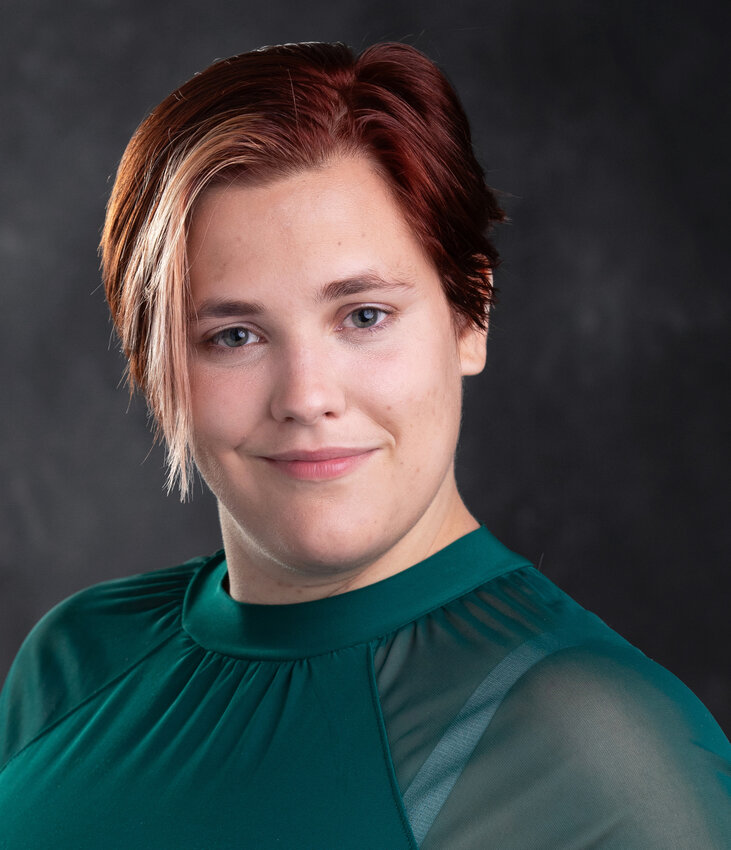
Jessica Shorten (she/her), 25
Editor — Cypress, Cy-Fair and Spring-Klein editions, Community Impact, Pflugerville, Texas (Serving major metro areas across Texas)
Education: Associate degree, Liberal Arts, Blinn College, Brenham, Texas
What is a lesson you’ve learned early in your career that you think future news trailblazers should know?
Journalism is an incredibly multifaceted field, and curiosity is a critical part of being successful in it.
So far in my career, I have reported on active hurricane situations, multi-agency governmental and corporate litigation, and major mobility initiatives. However, some of the biggest stories I’ve had the ability to work on spawned from an item that caught my eye buried in a consent agenda, or a gut feeling that something was just not adhering to logic.
There will always be the major “breaking” stories over the course of your career, but the best stories are the ones you take time to flesh out and investigate. If something piques your interest, follow it.
Where do you see the future of print media heading?
Growing up, I always heard that print media was a dying industry. However, I feel the last few years have shown there is a rising demand for physical media. The key is that people want meaningful physical media.
Newspapers absolutely have a solid place in people’s lives for the foreseeable future, but being hyperlocal and accessible is a necessity. People inherently care about their communities, and print media should absolutely lean into the industry's strengths, such as the time it takes to investigate issues.
On the accessibility side, the value of print media is often understated. During Hurricane Beryl in 2024, large swaths of the Houston area had little to no power, internet or cell service, and the ability to distribute flyers and newspapers became essential to receiving updates on recovery efforts.
People are not opposed to reading, especially when it provides real value they can walk away with.

Lizzy Spangler (she/her), 28
Editor II, Community Impact, Pflugerville, Texas (Serving major metro areas across Texas)
Education: Bachelor of Arts, Digital and Print Journalism (with minors in history and political science), University of North Texas, Denton, Texas
What is a lesson you’ve learned early in your career that you think future news trailblazers should know?
Be adaptable, especially since journalism is constantly changing and evolving. There’s always room to grow or learn new things in some form or fashion, and the willingness to adapt can take you far. That can range from learning a new skill, reporting on a beat or subject you’re unfamiliar with or even just learning more about topics that relate to the beats you cover.
What is the most critical thing this industry must achieve to continue to be sustainable and relevant?
Working in hyperlocal news, one thing I hear a lot from our readers is how helpful the news we cover is to their daily lives, whether that is what their school board decided at its last meeting or what road project is underway near their home. With that in mind, I think our industry has to continue to put impact at the heart of everything we do — answering the question of why readers should care about an issue by illustrating how it would impact them. And when readers feel the news they’re reading is helpful, that can contribute to our industry’s relevance and sustainability.

Darcy Sprague (she/her), 29
Austin Managing Editor, Community Impact, Pflugerville, Texas (Serving major metro areas across Texas)
Education: Bachelor of Science, Journalism, Texas State University, San Marcos, Texas
What is a lesson you’ve learned early in your career that you think future news trailblazers should know?
Self-awareness is one of the most powerful tools you can develop. By understanding yourself and your goals, you can learn to communicate up and down within your organization, ensuring you are expressing exactly what you mean and that it is heard the way you intend.
What do you think is the crucial thing news publications can do to counter misinformation and increase trust in news media?
Community Impact’s mission is to make news accessible, and I’ve come to believe that goes far beyond physical availability. To me, as an industry, that means meeting people where they are. Many people are busy or facing hardships. How can we report the news in a medium that is easy to digest, that does not make them feel we are looking down on them for their misinformed beliefs, and that highlights the good in their communities as well as their struggles? It starts with showing up and listening.

Lauren Tatman (she/her), 28
Content Producer, The Ledger Independent, Maysville, Kentucky
Education: Bachelor of Arts, Communication, University of Cincinnati, Cincinnati
What is a lesson you’ve learned early in your career that you think future news trailblazers should know?
A lesson that I have learned is to take your time on articles when needed. Sometimes, certain local topics discussed need more time to write about in order to provide detailed explanations. People in the community appreciate it when you research the topic and interview others to gather diverse opinions and knowledge. It helps provide greater detail about the topic, and I learned that by taking my time to write, I can hopefully make it a bit easier to understand from various perspectives.
What do you think is the crucial thing news publications can do to counter misinformation and increase trust in media?
Having a paper trail, physical documentation or quotes on record, I think, is vital to counter misinformation. I feel that it is very important to have something that backs up what you are writing and informing people about. Also, going to meetings, whether it is local government or even court hearings, but physically going to meetings, taking the information given and reporting on what was said in an official capacity, I feel, is important to increase trust but also counter misinformation that may be circulating.

Toni (Anthony) Tresca (he/him), 25
Editor, Bucket List Community News, Denver
Education: Bachelor of Arts, Political Science (minor in Theatre), Trinity University, San Antonio, Texas; Master of Business Administration and Master of Arts, Theatre and Performance Studies, University of Colorado, Boulder, Colorado
What is a lesson you’ve learned early in your career that you think future news trailblazers should know?
One of the most important lessons I’ve learned early in my career is that relationships are everything, and that’s especially true as an editor. Editing isn’t just about polishing a story or tightening a headline. It’s about building trust with the reporters you work with and the communities those stories represent.
Editing is ultimately collaborative work. The goal isn’t to impose your voice on a story but to help another journalist tell it as clearly and effectively as possible. That means listening carefully, asking thoughtful questions and recognizing that every reporter brings their own expertise and perspective.
For future news trailblazers, I think it’s important to remember that good editing strengthens both the journalism and the journalists behind it. When editors invest in relationships and mentorship, they help build stronger reporters, stronger newsrooms and ultimately stronger local journalism.
What impact do you hope to make on journalism and the media landscape?
Through my editing work, I hope to help bring more hyperlocal stories to light and elevate the voices of the communities they come from. Local journalism is at its strongest when it reflects the daily lives of the people who live there and delves into the neighborhood-level stories that shape a community’s identity.
At Bucket List, much of my role as an editor involves helping writers identify and develop stories that might otherwise be overlooked. That can mean coverage of neighborhood initiatives, local arts organizations, small businesses, civic issues or community-led events. These stories may not always make national news, but they are often the ones that matter most to the people who live there.
Editing gives me the opportunity to help amplify those voices. My goal is to work with reporters to make sure the people at the center of these stories are heard clearly and represented accurately. Sometimes that means helping shape a reporter’s idea into a stronger narrative; other times it means encouraging them to dig a little deeper to capture the perspectives that make a story truly reflective of a community.
I believe hyperlocal journalism plays a critical role in helping people feel connected to the places they live. If my work as an editor can help surface more of those stories and create space for more community voices to be heard, I feel like I’m contributing to a stronger, more inclusive local media landscape.

Yaritza D. Vazquez (she/her), 32
Publishing Operations Manager, Wick Communications, Tucson, Arizona
Education: Bachelor of Arts, Communication/Journalism, University of Texas, Arlington, Texas
What is a lesson you’ve learned early in your career that you think future news trailblazers should know?
One of the biggest lessons I learned early in my career is this: don’t resist change. Change is inevitable — especially in Journalism. Platforms evolve, audience behavior shifts, technology advances and business models pivot. Whether we’re ready or not, change will come. Fighting it only slows you down. Instead of resisting change, grow with it. Learn to adapt to each new cycle.
In this industry, change is what keeps us alive. It forces us to innovate, rethink our strategies and pivot when something isn’t working. It challenges us to find new ways to serve our audiences.
With everything happening in the world, what keeps you optimistic about working in our industry?
Honestly, with everything going on in the world, it makes me even more motivated to stay in this industry. Local journalism really matters. Our communities rely on reporters to cover a wide range of stories, monitor local government, and share clear, factual information people can trust. Playing a role in the bigger effort to inform and support our community is what keeps me optimistic.

Finch Walker (they/them), 27
Education Reporter, FLORIDA TODAY, Brevard County, Florida (USA TODAY Network)
Education: Bachelor of Science, Multiplatform Journalism, Florida Institute of Technology, Melbourne, Florida
What is a lesson you’ve learned early in your career that you think future news trailblazers should know?
This work is often thankless, and so it’s important that you’re entering journalism because you really have a passion for it. I wouldn’t recommend journalism to people who simply enjoy writing and want to make a career out of it. To me, the constant demands to produce more work, the generally low salaries in this field, and hostile reactions from the public toward reporters will quickly lead to burnout if you’re not here because you love it. But if you have a real hunger for the challenge of chasing leads and uncovering difficult truths to report to readers, then let that passion keep pushing you forward.
Also, dedicate time to your interests outside of journalism, even if that means spending an hour in the evening watching your favorite TV show or listening to a podcast during your commute. Having something outside of work to lose yourself in can be really helpful when everything feels overwhelming.
With everything happening in the world today, what keeps you optimistic about working in our industry?
Amid attempts to censor the press through political attacks on journalists, the lack of trust in the media from a large swath of the public, the evolution of artificial intelligence, more and more staff cuts and systemic pay inequity for reporters, it’s really hard to be optimistic about working in this industry. However, knowing that my work has an impact keeps me going. When sources approach me at school board meetings to share their concerns about topics ranging from a favorite teacher retiring to broader issues like racial inequalities in student discipline, it's a reminder that my words have power. Through my work, readers become informed about what's happening in education and feel empowered to speak up to make changes.

Anna Walsh (she/her), 34
Director of Editorial Operations, Texas Monthly, Austin, Texas
Education: Bachelor of Arts, Professional Writing, Carnegie Mellon University, Pittsburgh, Pennsylvania
What is a lesson you’ve learned early in your career that you think future news trailblazers should know?
This industry can feel like it’s constantly changing, and it’s difficult, if not impossible, to predict what course your career will take. But hard work, curiosity, a willingness to push yourself out of your comfort zone and learn from your inevitable mistakes, and kindness and respect for others — both your audience and your peers — will go a long way toward preparing you for whatever challenges or opportunities may lie ahead.
How do you see AI affecting journalism and the future of the industry? What guardrails are needed?
AI is just the latest example of technological advances and products that have derailed (or threatened to derail) journalism’s business model. But AI cannot fully replace journalism itself. Large language models produce strings of words that are statistically likely to follow one another based on preexisting information fed into the model; they cannot call sources and gather new information, and they should not be considered a replacement for human artistry and ingenuity. Journalists’ job should be to create the most compelling, attention-holding work possible (with the assistance, when appropriate and clearly disclosed, of AI tools that can help complete that work more efficiently). The journalism industry’s job is to grab the attention of audiences, who have ever-more products, platforms and modes of communication competing for their time, and make its unique qualities immediately clear and compelling to them.
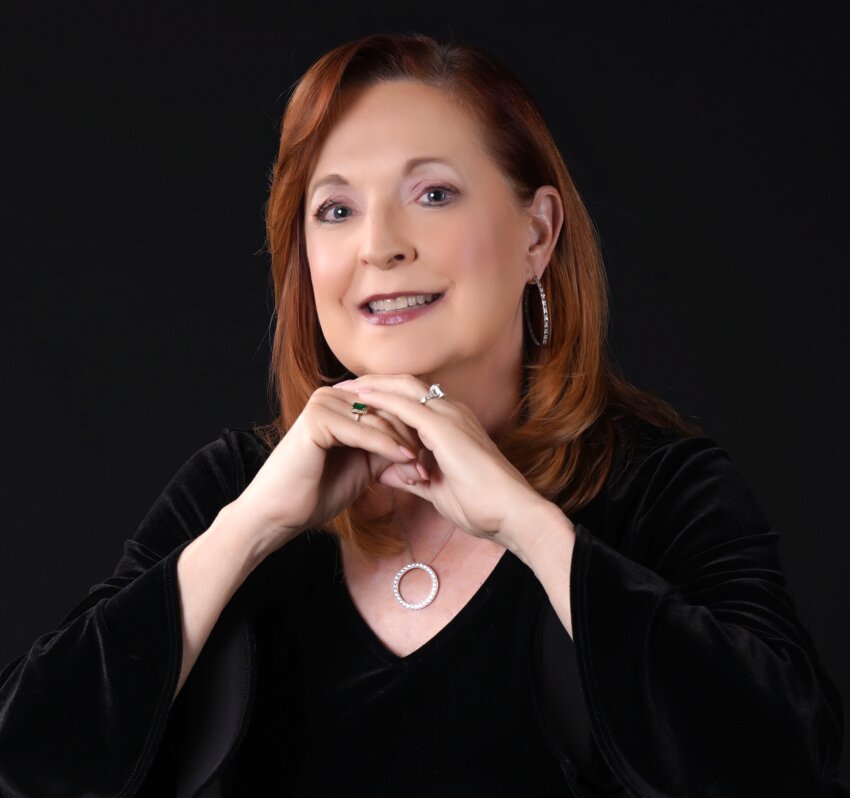 Robin Blinder is E&P’s editor-in-chief. She has been with E&P for six years. She can be reached at robin@editorandpublisher.com.




Comments
No comments on this item Please log in to comment by clicking here