
Walker Bragman isn’t so much a watchdog as he is a hunting breed. He follows the scent, then goes for the throat. Metaphorically, of course.
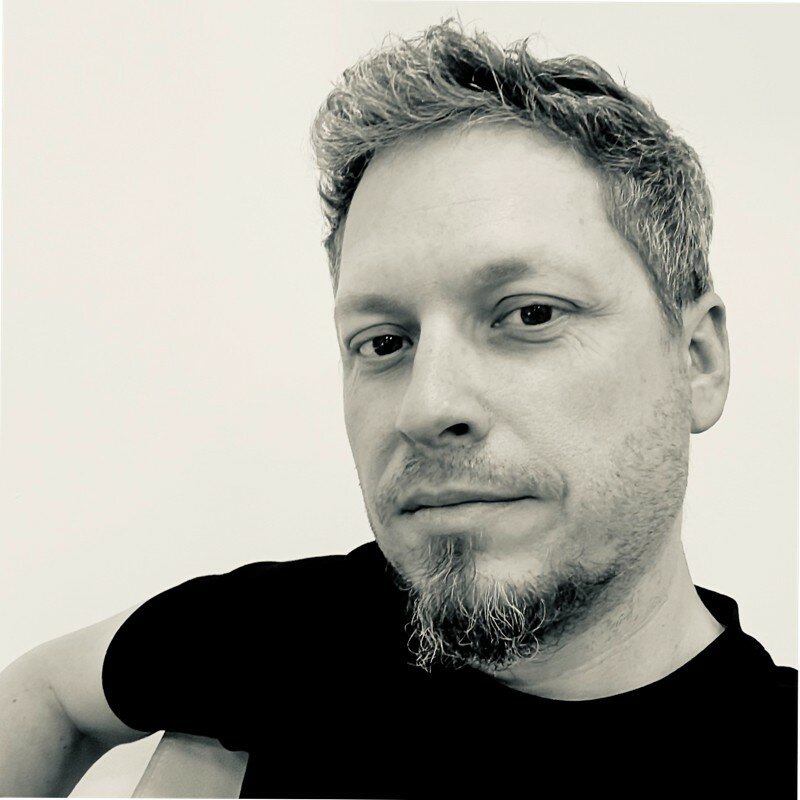
Bragman is a bespectacled New Yorker with handsome features and a welcoming smile.
He’s an occasional cartoonist, according to his Substack profile. Editor & Publisher (E&P) interviewed him at the perfect time — while his child (who was teething) was napping. Bragman dreams of different times when the truth was chiseled from facts, data and the scientific method — the days when society’s important institutions were trusted.
Bragman is the kind of investigative journalist who isn’t satisfied with debunking misinformation. He’s not in the business of defending journalism. His goal is to find and expose bad actors. He has a nose for BS and dark money. Tracking the source of politically motivated truth-tampering is his calling, and that’s what he’s doing with his new nonprofit organization, the Accountability Journalism Institute (AJI).
Bragman said the purpose of the work boils down to justice and injustice, but his area of interest isn’t so much the criminal justice system as it is public health. He cares deeply about science and research, and the centuries of learning that went into developing cures, treatments and vaccines.
Bragman believes the pandemic and its mishandling are the news stories of this generation. The distrust in science and journalism played a huge role in 1 million deaths in the United States. The president of the United States lied when he said that the threat of COVID-19 was a hoax created by his political opponents. The president repeatedly downplayed the severity of the virus, and ultimately, his supporters believed conspiracy theorists even when the vaccine that Trump’s administration fast-tracked was rolled out. Political operatives, through right-wing media sources, stood against scientifically based recommendations to shelter in place, wear masks or social distance. Public trust in science crumbled under the weight of politics.
When he’s asked about what his tiny organization does, and what its purpose is, the first thing Bragman talks about is the pandemic. Now, he said, the misinformation has oozed into more mainstream areas, including vaccine safety.
The Accountability Journalism Institute is primarily a website dedicated to the type of journalism that traces the origins of misinformation. He’s assembled a science advisory board of doctors and scientists from various fields. AJI’s larger board of directors consists of doctors and science journalists.
For now, most of the work is done by Bragman himself. The work is supported by small donations and reader contributions. But that doesn’t mean the work itself is small. Bragman dives into nonprofit tax documents, uncovering connections among companies, individuals and political movements.

AJI’s website currently features a story about how huge corporations funneled millions of dollars through charitable foundations to groups pushing vaccine misinformation and skepticism. The Fidelity Charitable organization, AJI reported, gave $1 million to the nonprofit founded by the current U.S. Secretary of Health and Human Services, Robert Kennedy Jr.
Kennedy famously promotes debunked theories that vaccines cause autism.
Bragman’s article is filled with many examples of “donor-advised funds” that allow wealthy donors to anonymously funnel large amounts of money to causes, including misinformation campaigns. The article was published in partnership with Rolling Stone.
Another of Bragman’s pieces exposed “a dark money group,” called the Brownstone Institute, which became a “central hub of COVID-related misinformation and conspiracy thinking.” Bragman’s reporting found that 85% of Brownstone’s $1 million fundraising haul had come from nine wealthy donors.

Bragman and his current deputy director, Olivia Riggio, even broke the story that actor Liam Neeson provided voice-over narration for a conspiracy film questioning the safety and legitimacy of vaccines. Major entertainment and news outlets such as Rolling Stone and Variety Magazine picked up the story. Neeson later denied that he has anti-vax views after narrating the project.
Bragman didn’t start his journalism path by investigating dark money and those who spread misinformation.
“For years, I was sort of writing hot takes in my 20s,” Bragman said. “And after the 2016 election, I sort of realized that there are better op-ed writers. There were people with more important opinions than mine, and what we really lacked was reporting. I came away from that election cycle thinking that legacy media saw journalism’s role as maintaining self-governance but treated injustice as tolerable unless it threatened that first priority: enabling the public to make governing decisions.
“An informed public is essential to democracy, but for me, I’ve always looked at journalism as the pursuit of justice. I decided to start reporting, and it took me a while to find my beat. I covered federal policy, foreign policy and political races, but when the pandemic hit, I sort of walked in on the public health beat, and I’ve been there ever since.”
Before AJI, Bragman worked with others to create an app for independent journalism that gave individual contributors an outlet for their work, like other major media company apps. OptOut functioned well technically and attracted a committed user base, but it failed to scale due to a lack of ad funding and the absence of social/comment features. Eventually, Bragman and OptOut decided to pivot from technology to journalism. As part of OptOut, Bragman created a newsletter called “Important Context.” AJI is leaning into the popularity and importance of the newsletter, leaving the app behind and creating a website for stories.
Riggio was part of the OptOut team and remains on board as AJI’s deputy director.
She believes in the cause and is responsible for the organization’s administrative work. “It is no secret that our democracy is under attack right now,” she said. “And I think that one of the first steps of taking power away from the people is making people doubt objective reality. And so, a great way to do that is to attack science, because science is our best way of understanding objective reality.”
Riggio is in the fight. Before jumping into administrative roles, she was a newspaper reporter.
“I think it’s important, especially in this time, when there are attacks on nonprofits, there are attacks on journalists, happening not just here, but across the world. I think it’s our job to be courageous and to speak the truth and not capitulate to the powers that be. And I think that’s easier said than done, but I think this work that Walker is doing has really inspired me because he does not give an [expletive].
“I want journalists to stay safe, because I love journalists. … It’s not our job to serve advertisers; it’s not our job to serve the administration in power. It’s our job to serve the public. And I think keeping that in mind, no matter what, is really important. And I think the public is seeing a huge void right now with everything that’s happening.”
At the forefront of Riggio’s and Bragman’s minds is raising revenue for the project.
“It’s really a challenge for all independent newsrooms, especially right now,” Riggio said. “They’re doing such great work, but we’re under-resourced. … Monthly revenue comes from people who are kind enough to pay to subscribe monthly to receive the newsletter. We have also received a few smaller grants from a few smaller foundations. And grant seeking is definitely something that we’re still doing.”

Bragman keeps his expectations grounded. A successful year ahead for him would be if he keeps getting to do accountability journalism. And he wants to expand the organization’s intern program to help more young journalists get experience and exposure.
E&P asked Bragman what message he has for editors and publishers. And the New Yorker with the easy smile didn’t pull punches.
“The point of journalism is the pursuit of justice. I think there’s there a lot of gatekeeping in the media industry, people who feel that their job is to preserve the status quo as much as possible, or prevent change from happening too radically — not necessarily the reporters themselves, but the people who are making the decisions about the headlines and what should kind of stay in the ocean, you know? We are a small, scrappy organization, and we believe that injustice anywhere is injustice everywhere, and our job is to expose it and hold the people accountable to the public.”
 Bob Miller has spent more than 25 years in local newsrooms, including 12 years as an executive editor with Rust Communications. Bob also produces an independent true crime investigative podcast called The Lawless Files.






Comments
No comments on this item Please log in to comment by clicking here