
I graduate from college in two months, and I’m frustrated. Once I walk across the stage in June and accept that coveted piece of paper called a diploma, I’m soon expected to have a full-time job and make a livable wage. After all, that’s what college is for, right? Not exactly, when my degree is in journalism in 2026, where uncertainties plague the profession for young people entering it.
Low pay. Layoffs and closures of numerous news sites. Constant scrutiny from political figures. Sound appealing?
That’s what the journalism profession currently entails from many student perspectives. Those were similar sentiments that Mike Blinder, the publisher of E&P, shared with me — though he remains optimistic.
“Regardless, though, it's still a noble profession,” he said during a Zoom call. “If someone truly wants to bring the news to a local community and then do the mission of holding truth to power, it's still a very noble profession. But it's a tough one to enter.”
Everything Blinder expressed piqued my interest and hopes; someone with vast experience in media believes that journalism remains noble. The last thing that he said, however, brought me right back to reality.
I’m at square one. Yes, I have a part-time journalism gig writing about college sports for my university. Yes, I have over 1,000 clips from the past two years of published work — things that my professors encouraged me to do during my time in the journalism program. I couldn’t rely solely on my classes, as learning by experience is the name of the game in journalism. I feel like I have that, yet I don’t know what my future will look like once I graduate.
My part-time job as a contracted writer can’t continue, as I need to earn a full-time salary, not one that just covers my rent. I need to eat. But it’s becoming increasingly clear that I’m entering a profession with a lot of mouths to feed and not enough food to go around.
“There are just fewer opportunities,” Lori Shontz, a University of Oregon School of Journalism and Communications (SOJC) professor in her 12th year, told me. “I worry about that all the time with my students. My whole teaching career, friends in the industry have said to me, ‘How do you ethically teach something when this industry isn’t working very well?’ And I said, ‘Well, I believe in journalism. I believe in students.’”
“You're discussing a lack of high-paying jobs in a shrinking industry,” Blinder added.
I hold some relief in knowing that my thoughts aren’t off base. What I’m seeing lines up with what I’m hearing from mentors, professors and fellow students.
It’s not uncommon to hear about other students’ experiences in part-time roles or internships with newspapers. But they also remain uncertain about what the future holds. Their newspaper doesn’t have enough money to offer them a full-time salary. Artificial intelligence was prevalent in the newsroom, which worries them.
“I think AI-written articles do a disservice to the people who actually put in the work and the effort to make quality journalism,” Mason Mentzer, a fourth-year SOJC student, told me before launching into another widely shared concern. “I think journalism is important for maintaining democracy in our country. Once journalism is silenced, democracy is silenced.”
Whether it's the abrupt shuttering of news outlets or the actions of the current administration, it’s not hard to see that journalists are being silenced.
After all that I’ve said, and from what I’ve heard from mentors, professors and classmates, why would I continue heading into the journalism profession? It’s not because I spent thousands and thousands of dollars on a journalism degree. It’s not for the fame, the glory and certainly not for the money.
It’s because I love to tell stories. I love to write. It brings out my creative side. I wake up inspired and driven by the stories that will appear throughout the day, stories I can craft and share with others. I’m inspired to make a difference, whether through entertainment or informing the public.
“If you want to do something to contribute to having a better world, journalism is a way to do that,” Shontz told me, capturing my feelings to a tee.
Journalism is more important than ever. And I’m determined to make a life out of it, however uncertain and frustrating it may be on my way to doing so. Roadblocks be damned, I will make it happen, and I hope others feel the same way as I do in making a career out of journalism — in a world that needs it.
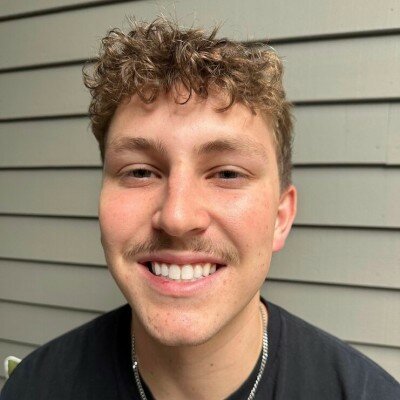
Bjorn Bergstrom is a soon-to-be Class of 2026 graduate from the University of Oregon School of Journalism and Communication. He covers Oregon Ducks sports and is on the college sports trending news team for USA TODAY. He previously played two seasons of college football before transferring to UO and fully pursuing a career in journalism. He can be reached at bjornmb03@gmail.com.


1 comment on this item Please log in to comment by clicking here




ThePaper
Great article Bjorn! Your thinking is 100% correct. If it wasn't for the internet, your dreams would be easier to achieve. Sadly, newspapers have been chasing the internet gold for 20 years now and just can't seem to comprehend that the internet does nothing for local newspapers and that the chase has been what has put so many newspapers out of business. Keep your dream alive and one day you will succeed.
Wednesday, April 15 Report this